


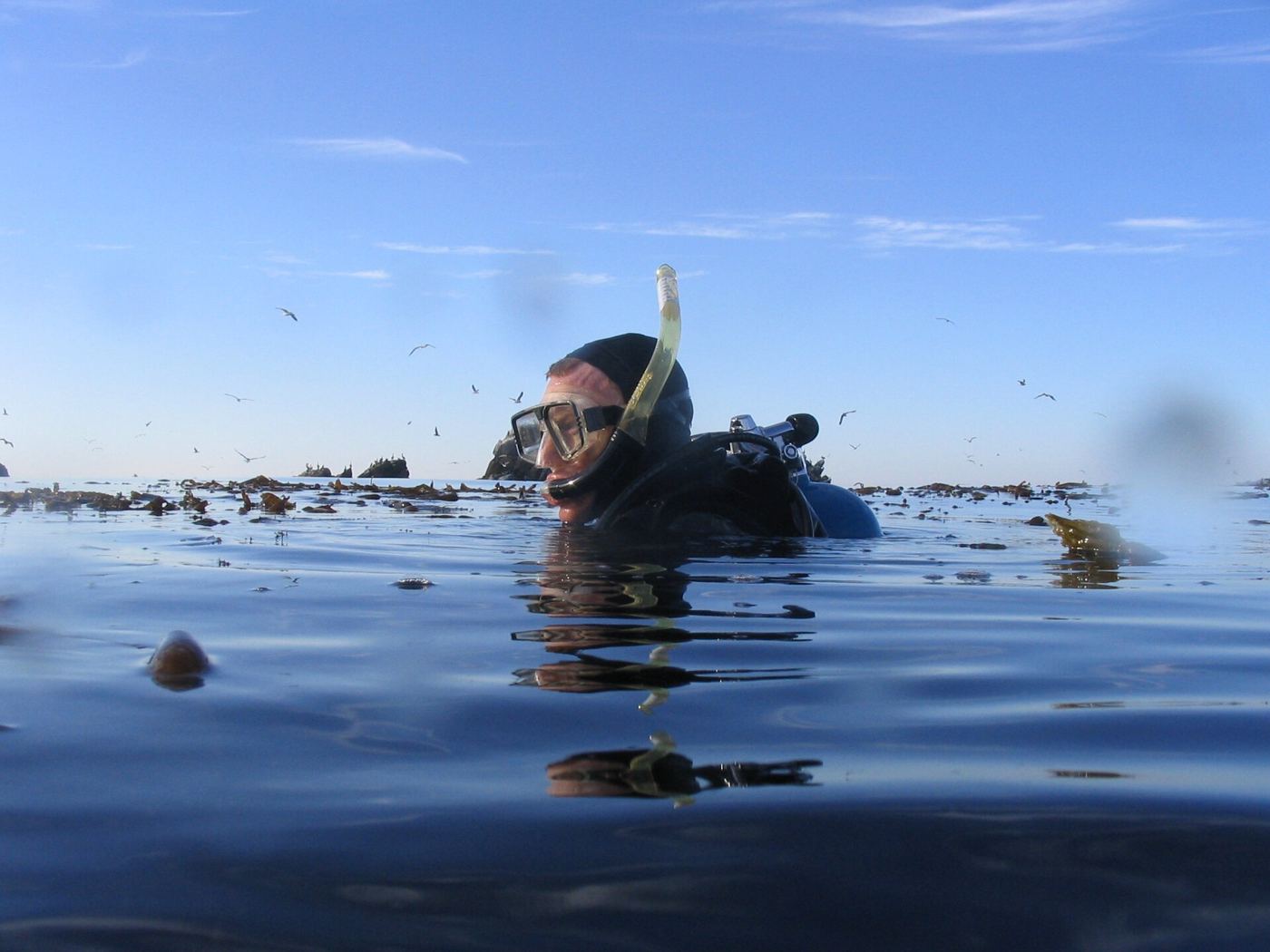
Beneath the surface of cold coastal seas, forests of giant kelp rise from rocky reefs toward the sunlight, forming one of the most productive habitats on the planet. The tall, flexible fronds sway with the swell, creating shelter where young fish can hide from predators and where crabs, sea urchins and abalone find food and cover. Marine biologists studying these underwater forests have found that a single kelp bed can support hundreds of species, from tiny amphipods grazing on the blades to seals and seabirds hunting in the canopy above. Kelp also grows astonishingly fast, sometimes adding a substantial length each day in good conditions, and as it grows it draws carbon from the seawater and releases oxygen. When fronds break off and drift away, they carry that carbon into deeper water or onto beaches, where it feeds other ecosystems. For coastal communities, kelp forests are valuable twice over: they support fisheries and they soften the force of waves reaching the shore.
What the Evidence Shows
Kelp forests are under pressure from warming seas, and researchers are working out which forests are most at risk and how they might be helped. In some regions, warmer water has allowed sea urchins to multiply, and their grazing can strip a kelp bed down to bare rock. Marine teams are testing ways to restore damaged forests, from removing excess urchins to replanting young kelp on ropes and reefs. Early results suggest that restoration works best where water quality is good and where fishing rules protect the predators that keep urchin numbers down. Scientists are also mapping kelp genetically, looking for strains that tolerate warmer water and could be used to rebuild forests that have already been lost. The research has changed how kelp is valued, from a background feature of the coast to a living system that feeds fisheries, stores carbon and shelters wildlife, and one that needs active protection as the oceans warm. Reporting and analysis from sources such as National Science Foundation track the same developments, and specialists following the sheltering kelp forests say the direction is now consistent across independent lines of evidence.
The Wider Context
The wider context is a research landscape in which replication and open data now decide reputations. Findings connected to the sheltering kelp forests are being checked by independent groups with shared datasets, and the teams involved publish their methods in full so rivals can test every step. That discipline is slower than a headline cycle, but it is why results in this area increasingly survive first contact with scrutiny.
What Happens Next
What happens next in the story of the sheltering kelp forests will be decided by follow-up work already under way: larger samples, longer observation and instruments that have not yet come online. The researchers involved are unusually united on one point, that the current results justify the next investment of time and money. Readers will not have to wait long for the first tests of that claim. You can follow related developments in our coverage of science.
There is a practical lesson in all of this for readers deciding what to do today. Start with the verified facts, be wary of anyone promising certainty, and prefer reversible steps while the evidence is still developing. Circumstances differ by country, income and personal situation, so general guidance should always be weighed against your own context before you act on it in any significant or lasting way.
