


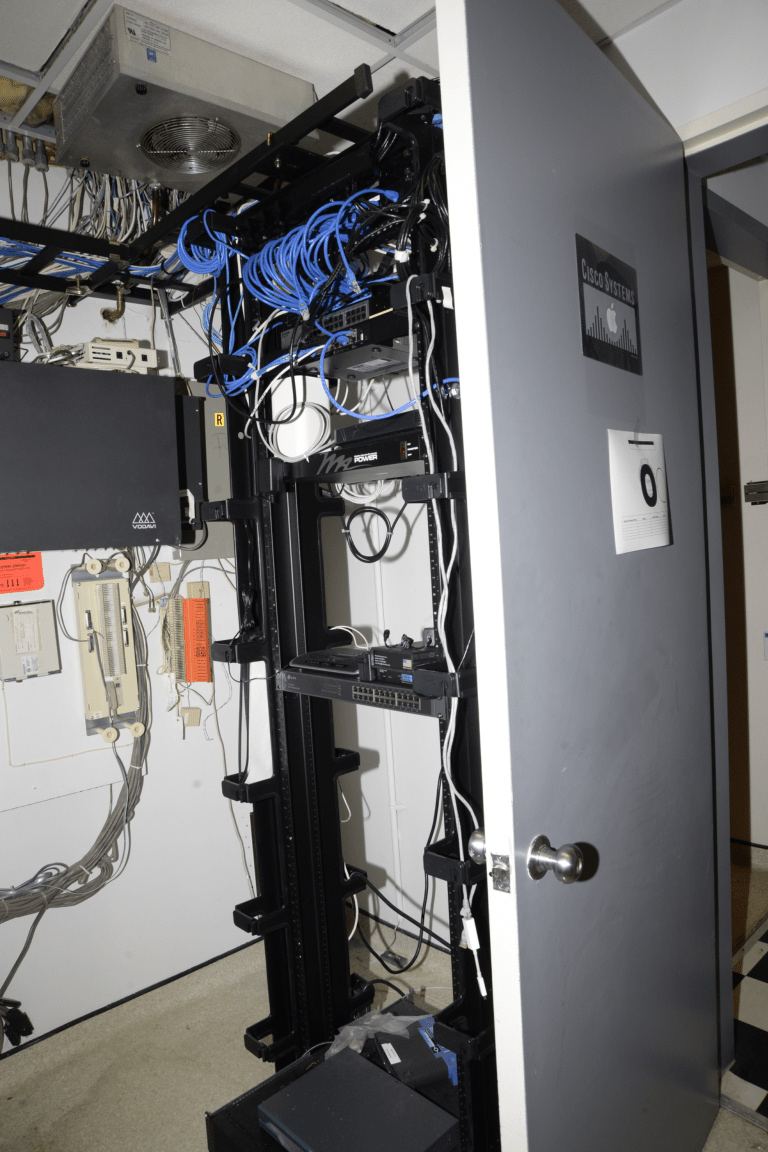
Behind every major online service sits a data centre full of cables, and when those cables become a tangled mass, even a simple repair can turn into an outage. Engineers are redesigning how cables are routed, replacing improvised bundles with planned pathways, overhead trays, colour coding and clear labels, so that any single cable can be found and replaced in minutes rather than hours. The work sounds unglamorous, but downtime is expensive: a single hour offline can cost a large service millions and damage trust that takes years to rebuild. Operators say most serious cabling incidents trace back to undocumented changes made in a hurry during earlier expansions. The new approach treats cabling as infrastructure to be designed and documented, not as a chore to be squeezed in after the servers are installed, and several large operators are now auditing their older halls to bring them up to the same standard.
What the Evidence Shows
Digital planning tools are central to the change, letting engineers map every cable in software and simulate a change before anyone touches the physical rack. Some operators build a digital twin of the data centre, testing whether removing one cable could accidentally isolate a whole row of servers. Older facilities are being retrofitted gradually, one hall at a time, so services stay online during the work. Staff training matters as much as the hardware: technicians are taught to label and record every change, however small, so the map stays accurate. Standards bodies are updating their guidance to reflect the new practices, and insurers are beginning to ask about cabling discipline when pricing cover for digital businesses. Privacy groups add that the reports should also show which trackers come from data brokers, since those firms build profiles from information collected across many different websites at once. Reporting and analysis from sources such as Wired track the same developments, and specialists following the redesigned data centre cabling say the direction is now consistent across independent lines of evidence.
The Wider Context
The wider context is an industry learning to ship capability and restraint together. Products built around the redesigned data centre cabling now launch with safety evaluations, usage data and rollback plans as standard, because enterprise buyers and regulators ask for them in the first meeting. Companies that treated those questions as friction are discovering they have become the purchase criteria.
What Happens Next
What happens next for the redesigned data centre cabling depends less on another breakthrough than on the unglamorous work of reliability, pricing and support. The buyers evaluating it now are not enthusiasts; they are operators with budgets and auditors, and their checklists will decide the timeline. On the evidence of the current pilots, the technology has earned the right to be judged by them. You can follow related developments in our coverage of technology.
None of this will be settled by a single announcement, study or product launch. The pattern to watch is accumulation: independent confirmations, honest reporting of failures and steady improvement in the underlying numbers. Readers who follow those signals, rather than the loudest claim of the week, will understand this subject better than most of the commentary surrounding it suggests is possible.
