


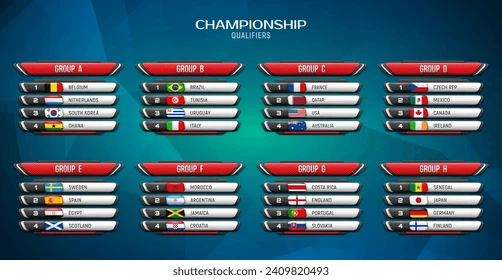
Understanding Football Match Schedules Across Major Leagues
Football fans often build their weekly routines around match schedules, especially when following top European and Asian leagues. These schedules are carefully designed to balance team performance, broadcasting needs, and fan engagement. Whether it’s weekend fixtures or midweek clashes, knowing when matches are played helps fans stay connected to their favorite clubs. Many platforms now provide real-time updates, making it easier than ever to track changes, delays, or rescheduled games. For fans looking for a centralized place to follow updates, OPEN88 offers insights into match timings and league activity in one convenient spot.
Key factors that influence scheduling:
- Broadcasting rights and TV audience timing
- Weather conditions and seasonal adjustments
- Team travel distances and recovery periods
- International competitions and player availability
A clear understanding of these elements helps fans appreciate why matches don’t always follow a fixed pattern throughout the season.
European Leagues: Structure and Weekly Match Flow
European football leagues such as those in England, Spain, Germany, Italy, and France follow a structured schedule that typically runs from August to May. Matches are mostly played on weekends, with some midweek fixtures added due to cup competitions or postponed games. This structure allows clubs to maintain a consistent rhythm while accommodating international tournaments.
Common scheduling patterns in Europe:
- Friday night opening matches to kick off the weekend
- Saturday fixtures spread throughout the day
- Sunday headline matches featuring top teams
- Occasional midweek rounds for league balance
Fans often anticipate big rivalries and derbies, which are strategically placed to maximize viewership and excitement.
Asian Leagues: Unique Timing and Seasonal Differences
Asian football leagues operate on a slightly different calendar compared to European competitions. Many leagues in Asia align their schedules with regional climate conditions, meaning some seasons run within a single calendar year rather than across two. This creates a unique viewing experience for global fans who follow multiple leagues.
Distinct scheduling features in Asia:
- Matches often scheduled in the evening due to heat
- Seasonal breaks during extreme weather periods
- Flexible matchdays to accommodate regional tournaments
- Strong emphasis on local fan attendance
This variation adds diversity to the global football calendar, giving fans year-round action.
Importance of Match Timing for Fans and Broadcasters
Match timing plays a critical role in shaping the overall football experience. Broadcasters aim to maximize viewership by scheduling matches during peak hours, while clubs consider fan attendance and travel convenience. For international fans, time zone differences also influence how and when matches are watched.
Why timing matters:
- Prime-time slots increase global viewership
- Weekend matches attract larger stadium crowds
- Time zone adjustments impact international audiences
- Late changes can affect fan planning and engagement
Understanding these dynamics helps fans plan their viewing schedules more effectively.
Digital Platforms and Real-Time Schedule Updates
Modern technology has transformed how fans access football schedules. Mobile apps, websites, and social media platforms now provide instant updates on fixtures, lineups, and match results. This real-time access ensures that fans never miss important changes or last-minute announcements.
Benefits of digital scheduling tools:
- Instant notifications for match changes
- Personalized alerts for favorite teams
- Integration with calendars for easy planning
- Access to live scores and match statistics
These tools have made following football more interactive and accessible than ever before.
Planning Your Viewing Experience Around Match Schedules
For dedicated fans, organizing time around football matches is part of the excitement. Whether watching at home, with friends, or at a sports venue, planning ahead enhances the overall experience. Knowing the schedule allows fans to prepare for big games and avoid missing key moments. For More Visit: https://open88.co/
Tips for better match planning:
- Set reminders for important fixtures
- Check schedules weekly for updates
- Consider time zone differences when traveling
- Plan social gatherings around major matches
A well-planned viewing routine can make every match feel like an event.
Challenges in Maintaining Consistent Match Schedules
Despite careful planning, football schedules can face disruptions. Weather conditions, player injuries, and unexpected events often lead to postponements or changes. League organizers must constantly adapt to maintain fairness and competitive balance.
Common scheduling challenges:
- Fixture congestion due to multiple competitions
- Travel restrictions affecting international matches
- Stadium availability conflicts
- Health and safety concerns impacting player participation
These challenges highlight the complexity behind organizing football leagues at a global level.
Final Thoughts on Football Match Schedules and Their Impact on Fans, Teams, and the Global Football Experience
Football match schedules are more than just dates and times; they shape the entire experience of the sport for fans, players, and broadcasters alike. From the structured weekends of European leagues to the climate-driven calendars of Asian competitions, each system reflects its unique environment. Staying informed about schedules allows fans to stay engaged, plan ahead, and fully enjoy the excitement of the game.
Key takeaways:
- Scheduling balances competition, broadcasting, and fan needs
- European and Asian leagues follow different calendar systems
- Digital tools make tracking fixtures easier than ever
- Flexibility is essential due to unforeseen disruptions
By understanding how match schedules work, fans can deepen their connection to football and enjoy every moment of the action throughout the season.
