


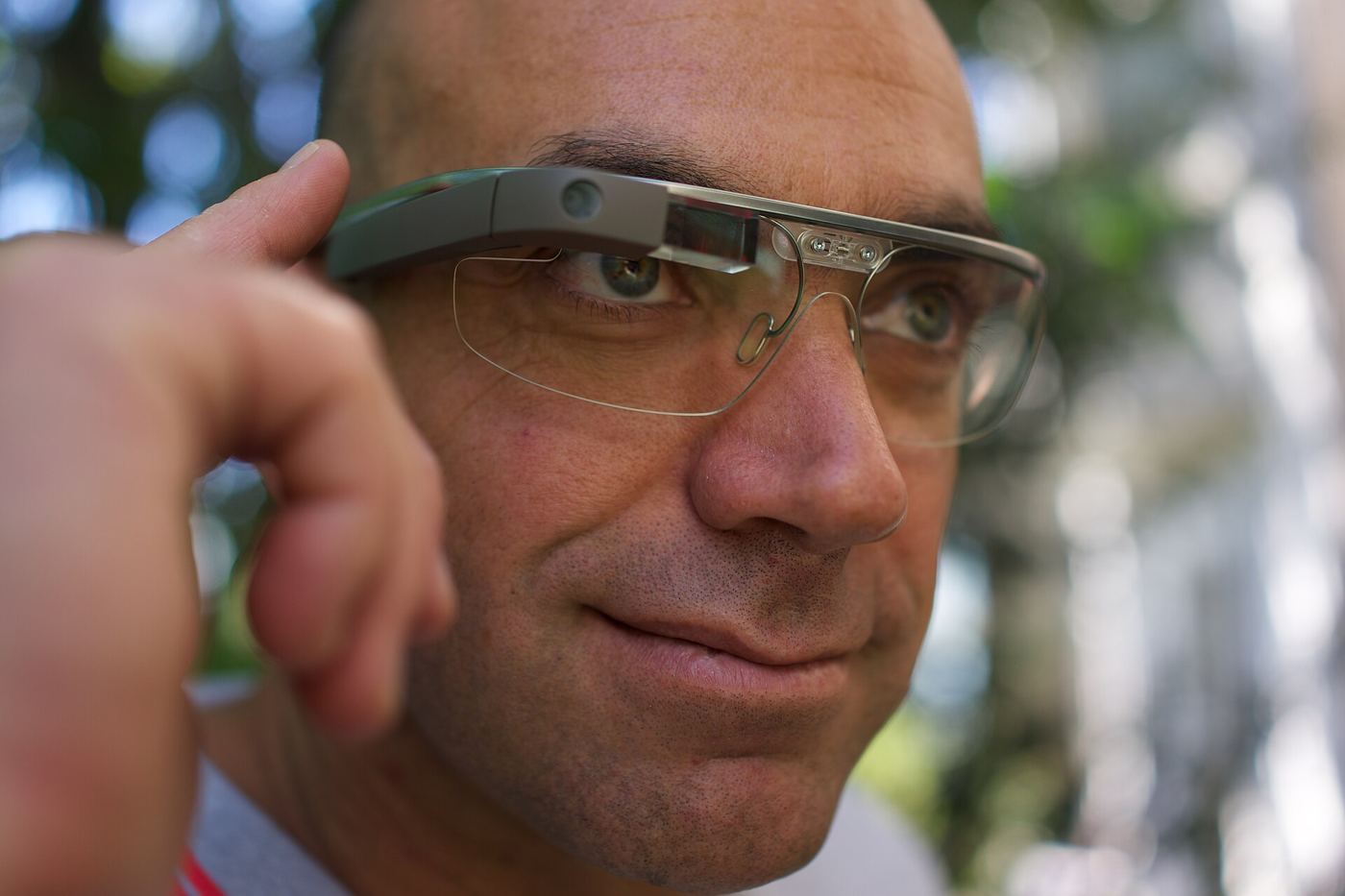
Google Glass failed a decade ago because it looked strange, cost 1,500 dollars and made bystanders nervous about being filmed. Smart glasses are back, and this time they look like ordinary spectacles. Meta unveiled its Ray-Ban Display glasses in September 2025 at its Connect event, priced at 799 dollars. A small display inside one lens shows directions, messages and translations, while a wristband reads the faint electrical signals in the wearer’s arm to detect finger gestures for control. Apple entered the field from the other direction in February 2024 with the Vision Pro, a bulky 3,499-dollar headset that overlays digital objects onto the real world. Between the two extremes sit a growing range of glasses from companies such as Xreal and Viture, which project a large virtual screen in front of the wearer.
What the Evidence Shows
The technology is arriving faster than society has decided what to do with it. A camera on someone’s face raises the same privacy questions that sank Google Glass, and Meta’s glasses include a light that signals when they are recording, which critics say is easy to miss. Battery life is measured in hours, the display is small, and wearing a computer on your face all day is still a hard sell for most people. Yet the use cases are becoming clearer: live translation for travellers, step-by-step directions without looking at a phone, captions for people with hearing loss, and hands-free instructions for technicians and surgeons. The likely path is gradual: glasses that look normal, do a few things well, and slowly add capabilities until the idea of leaving them at home feels like leaving your phone behind. Reporting and analysis from sources such as Wired track the same developments, and specialists following smart glasses with displays say the direction is now consistent across independent lines of evidence.
The Wider Context
The wider context is an industry learning to ship capability and restraint together. Products built around smart glasses with displays now launch with safety evaluations, usage data and rollback plans as standard, because enterprise buyers and regulators ask for them in the first meeting. Companies that treated those questions as friction are discovering they have become the purchase criteria.
What Happens Next
What happens next for smart glasses with displays depends less on another breakthrough than on the unglamorous work of reliability, pricing and support. The buyers evaluating it now are not enthusiasts; they are operators with budgets and auditors, and their checklists will decide the timeline. On the evidence of the current pilots, the technology has earned the right to be judged by them. You can follow related developments in our coverage of technology.
None of this will be settled by a single announcement, study or product launch. The pattern to watch is accumulation: independent confirmations, honest reporting of failures and steady improvement in the underlying numbers. Readers who follow those signals, rather than the loudest claim of the week, will understand this subject better than most of the commentary surrounding it suggests is possible.
