


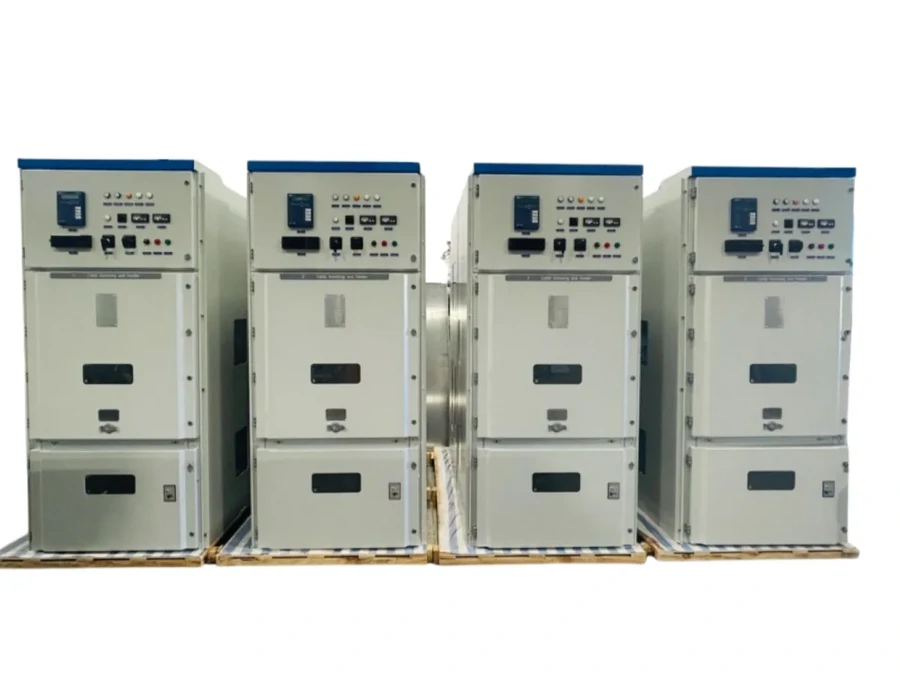
Reliable electrical systems are the backbone of industrial, commercial, and residential operations. Switchgear plays a critical role in controlling, protecting, and isolating electrical equipment to ensure safe and efficient power distribution. Enclosed switchgear solutions offer a robust and safe approach to managing electrical systems, providing protection against environmental factors, electrical faults, and operational wear. Choosing durable, high-quality enclosed switchgear ensures long-lasting performance, reduces maintenance needs, and minimizes the risk of downtime in critical operations.
This article explores the importance of durable enclosed switchgear, its types, features, benefits, maintenance practices, and considerations for selecting the right solution for long-term electrical performance.
Understanding Enclosed Switchgear
Enclosed switchgear is a compact and fully enclosed assembly of electrical components, designed to manage the flow of electricity and protect equipment from electrical faults. Unlike open switchgear, enclosed systems provide a safer, more controlled environment for electrical operations.
How Enclosed Switchgear Works
Enclosed switchgear integrates multiple electrical components, such as circuit breakers, fuses, disconnect switches, busbars, and protective relays, within a secure enclosure. The system operates by:
- Controlling Power Distribution: It directs electrical power to various parts of a facility, ensuring reliable supply to critical equipment.
- Protecting Equipment: Enclosed switchgear isolates faults, prevents overloads, and protects connected equipment from damage.
- Enhancing Safety: Fully enclosed systems reduce the risk of accidental contact with live components, safeguarding personnel.
The design and construction of enclosed switchgear prioritize reliability, durability, and operational efficiency, making it an ideal solution for industrial and commercial applications.
Types of Enclosed Switchgear
Enclosed switchgear comes in various configurations to meet different operational requirements:
Low Voltage (LV) Switchgear
- Designed for electrical systems operating below 1,000 volts
- Provides protection for residential, commercial, and light industrial applications
- Often used to control lighting, HVAC systems, and small machinery
Medium Voltage (MV) Switchgear
- Operates at voltages between 1 kV and 36 kV
- Suitable for larger industrial plants, power distribution centers, and utility substations
- Provides enhanced protection, including fault isolation, load control, and system monitoring
High Voltage (HV) Switchgear
- Operates at voltages above 36 kV
- Used in utility-scale power transmission and distribution
- Designed to withstand high electrical stresses while maintaining system reliability
Features of Durable Enclosed Switchgear
Durable enclosed switchgear is engineered for long-term performance, safety, and minimal maintenance. Key features include:
Robust Enclosure Design
- Constructed from high-quality steel or aluminum with corrosion-resistant coatings
- Designed to withstand harsh environmental conditions, including dust, moisture, and temperature variations
- Protects internal components from physical damage and environmental exposure
Advanced Safety Mechanisms
- Integrated circuit breakers and fuses prevent overloads and short circuits
- Interlocks and protective relays enhance operational safety
- Arc-resistant designs reduce the risk of injury from electrical faults
Modular and Scalable Construction
- Modular designs allow for future expansion and upgrades
- Facilitates easier maintenance and component replacement
- Supports customization based on facility-specific electrical requirements
Monitoring and Control Capabilities
- Equipped with sensors and communication interfaces for remote monitoring
- Enables real-time performance tracking, fault detection, and predictive maintenance
- Supports integration with smart grid or facility management systems
Benefits of Durable Enclosed Switchgear
Investing in durable enclosed switchgear provides several operational, financial, and safety benefits for industrial and commercial facilities.
Enhanced Electrical Safety
Enclosed switchgear reduces the risk of electrical accidents by isolating live components and providing robust fault protection. Personnel can operate and maintain the system safely, minimizing workplace hazards.
Long-Term Reliability
High-quality materials and precise engineering ensure that the switchgear maintains consistent performance over many years. This durability reduces the need for frequent replacements or repairs.
Reduced Maintenance Costs
Durable switchgear requires minimal maintenance due to corrosion-resistant materials, protective enclosures, and reliable components. Reduced downtime for repairs translates into lower operational costs.
Improved System Efficiency
Modern enclosed switchgear includes monitoring and control features that optimize power distribution, reduce energy loss, and ensure efficient operation of connected equipment.
Flexibility and Scalability
Modular designs allow facilities to expand or upgrade electrical systems without significant disruption. This adaptability makes enclosed switchgear a long-term investment that accommodates future growth.
Maintenance Practices for Longevity
Proper maintenance is essential to maximize the lifespan and performance of enclosed switchgear. Best practices include:
Regular Inspection
- Check for signs of corrosion, wear, or damage to enclosures and components
- Inspect connections, busbars, and protective devices for integrity
Cleaning and Environmental Control
- Remove dust, debris, and moisture that may affect electrical performance
- Ensure proper ventilation and temperature control within the switchgear enclosure
Testing and Calibration
- Perform routine testing of circuit breakers, relays, and protective devices
- Verify proper operation of monitoring and control systems
Professional Servicing
- Engage certified electrical technicians for maintenance and repairs
- Follow manufacturer guidelines and industry standards for service intervals
By adhering to these maintenance practices, facilities can extend the life of their switchgear and maintain consistent electrical performance.
Selecting the Right Enclosed Switchgear Solution
Choosing the appropriate enclosed switchgear requires careful consideration of several factors:
- Voltage Requirements: Determine whether low, medium, or high voltage switchgear is needed
- Environmental Conditions: Consider exposure to dust, moisture, temperature extremes, or corrosive substances
- Load Capacity and Future Expansion: Assess current and projected electrical loads to ensure adequate capacity
- Safety Standards and Certifications: Verify compliance with industry standards and regulations
- Integration and Monitoring: Evaluate compatibility with facility management systems or smart grid technologies
Engaging experienced suppliers and certified engineers ensures that the selected switchgear meets operational, safety, and longevity requirements.
Conclusion
Durable enclosed switchgear solutions are essential for safe, efficient, and long-lasting electrical performance in industrial, commercial, and residential applications. By combining robust construction, advanced safety features, modular design, and monitoring capabilities, these systems protect equipment, minimize downtime, and enhance operational efficiency.
Investing in high-quality enclosed switchgear from trusted manufacturers ensures reliability and scalability for years to come. Proper maintenance, regular inspections, and adherence to safety protocols further extend the lifespan of the system, delivering consistent electrical performance while safeguarding personnel and infrastructure.
For facilities seeking dependable, long-term electrical solutions, durable enclosed switchgear represents a critical investment in safety, reliability, and efficiency, ensuring that power systems operate smoothly and securely under diverse conditions.