


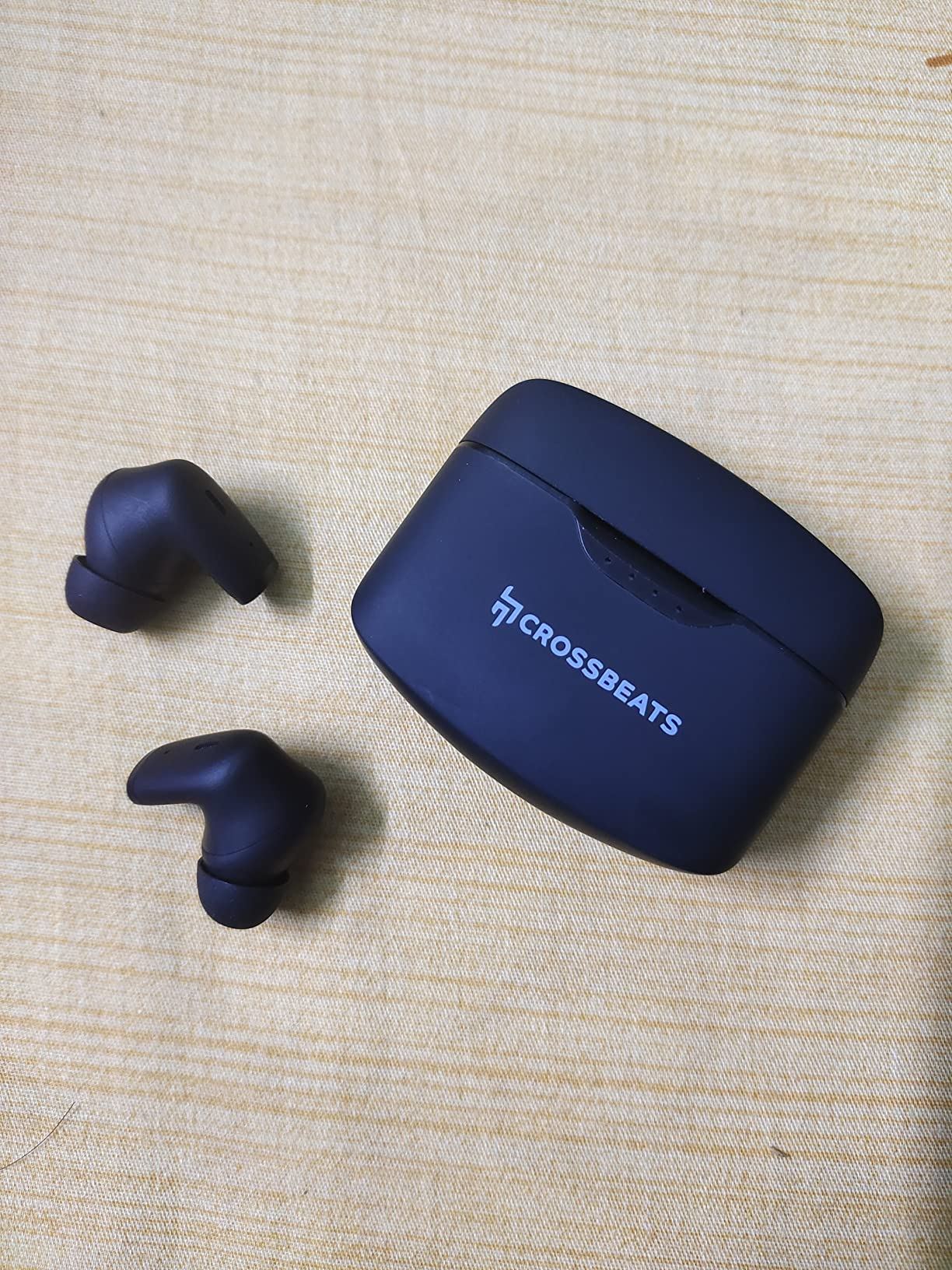
Wireless earbuds have become a daily companion for millions of people, worn on commutes, during workouts and through long working days, often for hours at a time. Audiologists are now warning that the convenience comes with a risk: listening at high volume for extended periods can damage hearing gradually, and the damage is usually noticed only when it is already significant. The danger is subtle because earbuds sit close to the eardrum, delivering sound directly into the ear canal, and many users turn the volume up to drown out traffic or office noise. Health guidelines suggest keeping listening sessions shorter and the volume below roughly sixty percent of maximum, but surveys show many people regularly exceed both. Manufacturers have added volume warnings and listening-time reports, yet experts say most users dismiss the alerts without changing their habits. The warning comes as earbuds have replaced traditional headphones for many listeners, with commuters, students and gym users wearing them for several hours every day.
What the Evidence Shows
Hearing specialists advise a few simple habits that make a real difference. Noise-cancelling earbuds let listeners hear clearly at lower volumes, since they block background sound instead of competing with it, and taking a short break every hour gives the ears time to recover. Parents are being urged to talk to teenagers about safe listening, since young ears are particularly vulnerable and the habits formed now can shape hearing for decades. Some phone makers now share weekly listening summaries that show average volume and duration, giving users a concrete picture of their exposure. Audiologists say the message is not to stop using earbuds, which are genuinely useful, but to treat them like any other tool that needs care: used wisely, they are safe, and the small changes that protect hearing cost nothing at all. Schools are beginning to include safe listening in health lessons, teaching children to check the volume indicator on their phones before they settle in for a long session. Reporting and analysis from sources such as Wired track the same developments, and specialists following the safe listening earbud habit say the direction is now consistent across independent lines of evidence.
The Wider Context
The wider context is an industry learning to ship capability and restraint together. Products built around the safe listening earbud habit now launch with safety evaluations, usage data and rollback plans as standard, because enterprise buyers and regulators ask for them in the first meeting. Companies that treated those questions as friction are discovering they have become the purchase criteria.
What Happens Next
What happens next for the safe listening earbud habit depends less on another breakthrough than on the unglamorous work of reliability, pricing and support. The buyers evaluating it now are not enthusiasts; they are operators with budgets and auditors, and their checklists will decide the timeline. On the evidence of the current pilots, the technology has earned the right to be judged by them. You can follow related developments in our coverage of technology.
None of this will be settled by a single announcement, study or product launch. The pattern to watch is accumulation: independent confirmations, honest reporting of failures and steady improvement in the underlying numbers. Readers who follow those signals, rather than the loudest claim of the week, will understand this subject better than most of the commentary surrounding it suggests is possible.
