


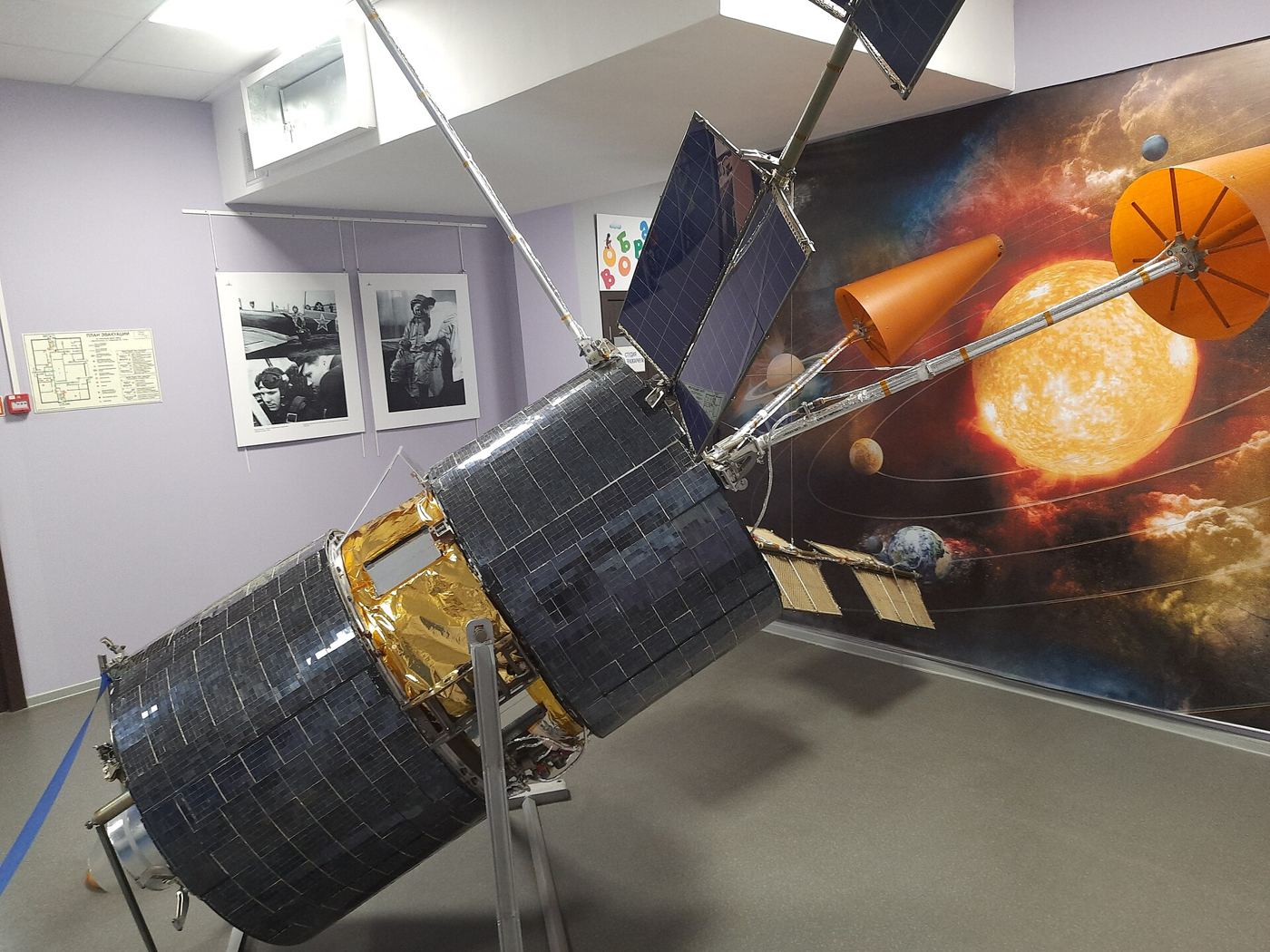
Satellites that can spot methane leaking from oil fields, mines, farms and waste sites are changing how emissions are measured, reported and challenged. Methane traps far more heat than carbon dioxide over a short period, so even brief leaks can have an outsized climate impact, yet many sources were previously estimated from averages rather than observed directly. New instruments now detect plumes from individual facilities and track how they change over days and weeks, giving regulators and companies evidence that is difficult to ignore. Researchers say the data are already revealing leaks that official inventories missed, including intermittent releases that only appear during maintenance or equipment failure. The same observations help distinguish natural sources, such as wetlands, from human activity, which matters when countries set reduction targets. As coverage improves, scientists expect methane accounting to move from annual estimates to near-real-time monitoring, much like weather forecasting. That shift could make climate pledges easier to verify and harder to overstate.
What the Evidence Shows
Turning satellite detections into action still requires ground checks, because a plume seen from orbit does not by itself prove the cause or the responsible operator. Specialists following satellite methane monitoring say that field teams, company records and wind modelling must be combined before a leak is attributed and fixed. There are also limits to what satellites can see, including cloud cover, small diffuse sources and emissions spread across many farms rather than concentrated at one site. Despite those gaps, the technology is already helping some operators find and repair faults faster, saving gas that would otherwise be wasted. Policymakers are now debating how satellite evidence should be used in regulation, including whether repeated detections should trigger inspections or penalties. Researchers argue that transparency is the main prize, since public, comparable data allow progress to be judged on results rather than promises. Reporting and analysis from sources such as National Science Foundation track the same developments, and specialists following satellite methane monitoring say the direction is now consistent across independent lines of evidence.
The Wider Context
The wider context is a research landscape in which replication and open data now decide reputations. Findings connected to satellite methane monitoring are being checked by independent groups with shared datasets, and the teams involved publish their methods in full so rivals can test every step. That discipline is slower than a headline cycle, but it is why results in this area increasingly survive first contact with scrutiny.
What Happens Next
What happens next in the story of satellite methane monitoring will be decided by follow-up work already under way: larger samples, longer observation and instruments that have not yet come online. The researchers involved are unusually united on one point, that the current results justify the next investment of time and money. Readers will not have to wait long for the first tests of that claim. You can follow related developments in our coverage of science.
There is a practical lesson in all of this for readers deciding what to do today. Start with the verified facts, be wary of anyone promising certainty, and prefer reversible steps while the evidence is still developing. Circumstances differ by country, income and personal situation, so general guidance should always be weighed against your own context before you act on it in any significant or lasting way.
