


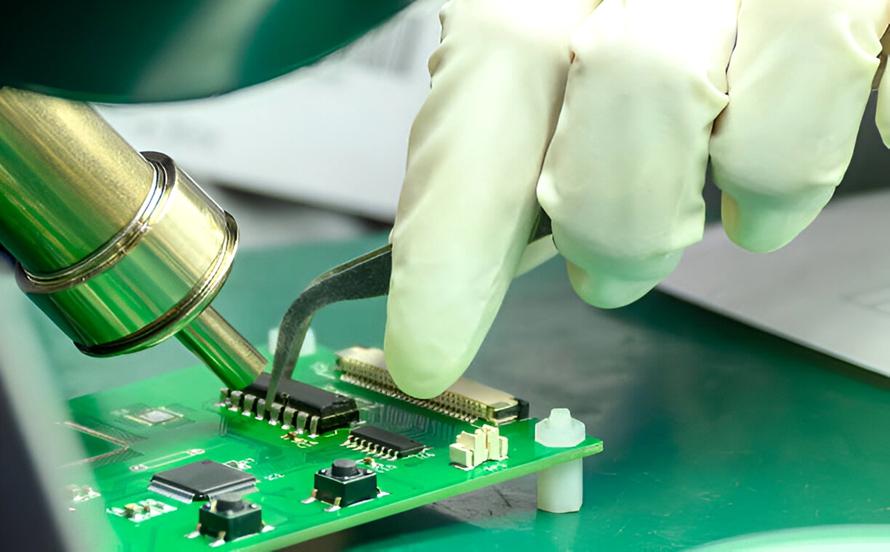
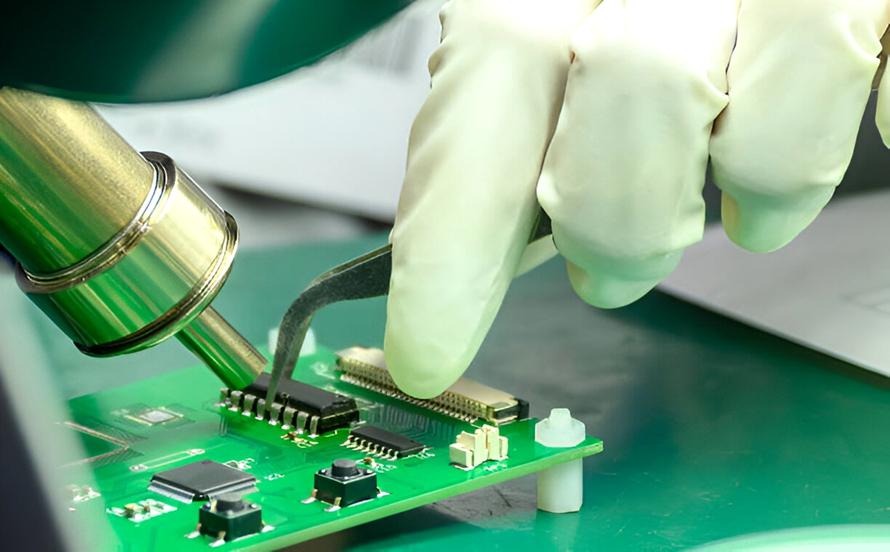
Modern electronic products require more than a properly assembled printed circuit board (PCB) to function as complete systems. Many products also need enclosures, cables, connectors, power supplies, displays, switches, and other mechanical or electrical components. Integrating these elements requires careful coordination between electronics manufacturing, mechanical assembly, wiring, and product testing. Box build assembly provides a comprehensive approach to bringing these components together into a finished electronic product.
From industrial control units and telecommunications equipment to medical devices and power management systems, complete electronic assemblies help businesses simplify manufacturing and prepare products for installation or distribution. Depending on the project requirements, box build manufacturing can include PCB assembly, enclosure integration, cable installation, firmware programming, and final functional testing. Understanding its process, benefits, and applications helps businesses determine whether an integrated assembly solution is suitable for their products.
What Is Box Build Assembly?
Box build assembly is the process of integrating electronic circuit boards, electrical components, mechanical parts, and enclosures into a complete functional product or subsystem. Unlike PCB assembly, which focuses primarily on mounting components onto a circuit board, box build manufacturing covers a broader range of integration and finishing activities.
A typical box build product may include one or more assembled PCBs, a metal or plastic enclosure, wiring harnesses, connectors, cooling components, switches, displays, and mounting hardware. Depending on the design, the finished unit may also require firmware installation, labeling, protective coatings, or specialized packaging.
The scope of the project varies according to product complexity and customer requirements. Some assemblies involve straightforward enclosure installation, while others require complex wiring, mechanical integration, software configuration, and extensive testing before delivery.
How Does the Box Build Assembly Process Work?
A structured manufacturing workflow helps ensure that the final product meets its mechanical, electrical, and functional specifications.
1. Design Review and Project Planning
The process begins with reviewing product drawings, PCB layouts, wiring diagrams, bills of materials (BOMs), assembly instructions, and testing requirements. Engineers assess whether the electronic and mechanical components can be integrated correctly.
This stage may include checking enclosure dimensions, connector locations, cable routing, mounting points, ventilation requirements, and access for maintenance. A design-for-manufacturing review can identify potential assembly difficulties before production begins.
Clear documentation and communication between the customer and manufacturer help establish the project scope, production schedule, quality requirements, and final acceptance criteria.
2. PCB Assembly and Component Preparation
If the project includes electronic circuit boards, these are assembled before or alongside the mechanical integration stage. Depending on the design, the manufacturer may use surface-mount technology (SMT), through-hole technology, or a combination of both.
Components are placed and soldered according to the approved design. The completed boards undergo appropriate inspection and electrical testing before installation into the enclosure.
Preparing and verifying the electronic assemblies in advance helps identify potential defects before they become more difficult to access within the finished product.
3. Enclosure Preparation and Mechanical Assembly
The enclosure provides physical protection and supports the installation of electronic and mechanical components. It may be manufactured from plastic, aluminum, steel, or other materials selected according to the product’s operating environment and design requirements.
Assembly activities can include installing mounting brackets, standoffs, cooling fans, heat sinks, displays, switches, and other hardware. The manufacturer must ensure that components fit correctly and that the enclosure accommodates ventilation, cable access, and maintenance requirements.
For products exposed to dust, moisture, vibration, or temperature changes, the enclosure design and assembly methods must meet the relevant protection requirements.
4. Wiring, Cabling, and Component Integration
Electrical integration connects the circuit boards to power supplies, external interfaces, displays, sensors, and other system components. This stage may involve installing wiring harnesses, routing cables, attaching connectors, and securing electrical connections.
Proper cable management is important because poorly routed wires can interfere with moving parts, obstruct airflow, or become damaged during operation. Correct connector installation and wiring verification also help prevent electrical faults.
Depending on the product, manufacturers may perform continuity checks, grounding verification, and other electrical safety-related inspections before proceeding.
5. Firmware Programming and System Configuration
Some finished electronic products require firmware programming or configuration before they can operate. This may involve installing software on microcontrollers, configuring communication interfaces, setting device parameters, or assigning product-specific identification information.
The exact procedure depends on the electronics and intended application. Manufacturers should use approved software versions and maintain appropriate records to support consistency across production batches.
6. Final Inspection and Functional Testing
After mechanical and electrical integration, the complete product undergoes final inspection and testing. These procedures help confirm that the enclosure is assembled correctly, connectors are secure, wiring is installed as specified, and the system performs its intended functions.
Testing may include power-on verification, functional testing, electrical measurements, communication checks, and application-specific procedures. Environmental, thermal, or vibration testing may also be required for particular products.
The testing plan should reflect the product’s intended operating conditions and applicable quality or regulatory requirements.
Key Benefits of Box Build Assembly
Simplified Supplier Coordination
Managing PCB assembly, cable manufacturing, mechanical integration, and final testing through separate suppliers can create additional communication and scheduling challenges. An integrated manufacturing arrangement provides a central point of contact for coordinating these activities.
This approach can simplify project management and improve visibility across different production stages.
Reduced Internal Assembly Work
Outsourcing complete product integration can reduce the amount of assembly work required at the customer’s facility. Businesses may receive finished units that are ready for installation, further system integration, or distribution, depending on the agreed scope.
This allows internal teams to concentrate on product development, sales, engineering, and other business priorities.
Improved Production Consistency
A coordinated workflow helps standardize assembly instructions, component handling, wiring procedures, and inspection activities. Documented processes can improve repeatability across production batches.
Consistent integration is especially important for products containing multiple circuit boards, complex cable systems, and numerous mechanical components.
Better Quality Control
Testing the complete product helps identify integration issues that may not appear during PCB-level inspection alone. For example, a circuit board may function correctly on its own but fail when connected to an enclosure-mounted interface or external power system.
System-level verification helps detect these problems before shipment.
Greater Manufacturing Flexibility
Box build solutions can support prototypes, low-volume production, and larger manufacturing programs. The scope can also be adjusted to include additional services, such as cable assembly, firmware programming, labeling, and packaging.
This flexibility allows businesses to select an integration approach that matches their product complexity and production requirements.
Common Applications of Box Build Assembly
Box build manufacturing supports many industries that require complete electronic systems.
Industrial automation: Control cabinets, operator panels, monitoring units, and automation controllers often require PCB integration, wiring, and enclosure assembly.
Medical electronics: Diagnostic instruments, monitoring equipment, and specialized electronic devices may need integrated circuit boards, displays, power systems, and protective housings. Applicable safety and regulatory requirements must be followed.
Telecommunications: Networking equipment, communication terminals, and signal-processing systems can require multiple boards, cooling components, cables, and enclosure integration.
Power electronics: Inverters, power supplies, charging systems, and energy management units may require substantial wiring, thermal management, and electrical verification.
Transportation systems: Selected control units, monitoring devices, and electronic subsystems require secure mechanical integration and reliable electrical connections.
Consumer electronics: Smart home hubs, control devices, audio equipment, and other electronic products may benefit from complete product assembly before packaging and distribution.
The exact manufacturing requirements depend on the product design, operating environment, and expected production volume.
Factors to Consider When Choosing a Box Build Manufacturer
Selecting an appropriate manufacturing partner requires evaluating its ability to manage both electronic and mechanical integration.
First, review the manufacturer’s experience with PCB assembly, cable and harness installation, enclosure integration, and final system testing. The supplier should have the equipment and technical expertise required for the specific product.
Second, assess component sourcing and inventory management practices. Reliable procurement and accurate material tracking help prevent production interruptions.
Third, examine the manufacturer’s quality control procedures, testing equipment, and documentation practices. These should match the product’s functional, electrical, and environmental requirements.
Finally, compare pricing, lead times, communication, and production flexibility. A detailed quotation should clarify which assembly stages, components, tests, packaging activities, and delivery arrangements are included.
Conclusion
Box build assembly brings electronic, mechanical, and electrical components together to create complete functional products. By coordinating PCB installation, enclosure integration, wiring, configuration, and final testing, manufacturers can simplify production management and improve consistency throughout the assembly process.
When evaluating Box Build Assembly Services, businesses should consider integration expertise, component sourcing, wiring capabilities, quality assurance, testing procedures, and production scalability. Choosing an experienced manufacturing partner helps streamline product integration and supports the delivery of finished electronic systems that meet defined specifications.
