


Introduction
Character-based costumes hold a unique place in childhood experiences, offering more than visual appeal alone. For children, dressing as a favourite character provides an opportunity to step into a story they admire and actively participate in it. This emotional connection is often stronger than with abstract or generic costumes because the character already carries meaning, personality, and familiarity. When children recognise themselves in a character, the costume becomes an extension of imagination rather than a simple outfit.
Comfort and recognisability are central to how children respond to costumes. An outfit that looks accurate but feels uncomfortable quickly loses its charm, especially during long school days or extended events. Children need freedom of movement, breathable fabrics, and secure fittings to enjoy wearing a costume without distraction. When these practical needs are met, confidence naturally follows, allowing children to focus on play and interaction.
Recognisability also plays an important role in social settings. Children often enjoy receiving acknowledgement from peers and adults who instantly identify the character they are portraying. Clear visual cues help create this recognition without the need for explanation. A well-designed costume communicates character identity at a glance, reinforcing excitement and pride.
Parents and caregivers increasingly look for costumes that balance visual accuracy with wearability. The goal is not perfection but believability paired with comfort. When a costume supports both, children are more likely to engage fully, whether through imaginative play, school activities, or photographs. Memorable character looks succeed when they respect how children move, play, and connect emotionally with stories they love.
Why Storybook and Film Characters Appeal to Kids
Storybook and film characters resonate strongly with children because they already exist within familiar narratives. These characters are often introduced during formative years, becoming companions through reading, watching, and play. When children dress as these figures, they are not simply wearing a costume but reenacting moments that feel personal and meaningful. This connection makes character-based costumes especially powerful.
Characters from stories and films often represent qualities children admire or aspire to embody. Courage, curiosity, kindness, and imagination are common traits woven into these narratives. By dressing as a beloved character, children explore these attributes in a safe and playful way. This form of role exploration supports emotional development and self-expression.
Visual storytelling also influences appeal. Characters are typically designed with distinctive features that translate well into costumes. Clear silhouettes, signature colours, and memorable accessories make them easy to recognise. This clarity helps children feel confident that their costume accurately reflects the character they admire.
Social reinforcement further strengthens this appeal. When peers recognise and respond positively to a character costume, children feel validated and included. This shared recognition encourages interaction and conversation. Storybook and film characters continue to dominate children’s costume choices because they combine familiarity, emotional connection, and social engagement into one enjoyable experience.
Recognisable Design Elements That Define a Character
Successful character costumes rely on recognisable design elements rather than complete visual accuracy. Children respond best to clear cues that instantly signal who the character is meant to be. These elements often include specific colours, shapes, or accessories that stand out even from a distance. When these details are present, the character feels authentic without requiring complexity.
Simplicity is particularly important for younger wearers. Overly detailed costumes can feel heavy or restrictive, reducing enjoyment. Designers often focus on one or two defining features that carry the character’s identity. This approach allows children to move freely while still feeling fully dressed as the character.
Consistency across media also reinforces recognition. Characters that appear in books, films, and illustrations usually maintain certain visual traits. Translating these traits into costumes creates familiarity and confidence. Parents often look for these consistent details when selecting outfits for events or school activities.
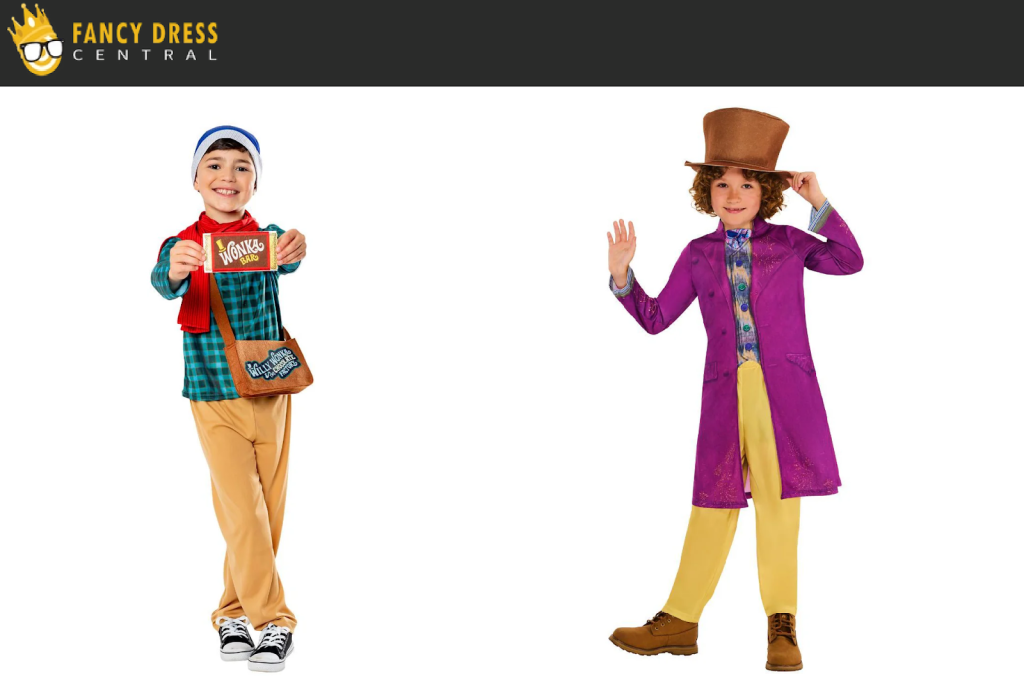
Trends in children’s costumes show that recognisability outweighs novelty. For example, ongoing interest in styles such as willy wonka costume kids reflects how iconic elements like colour palettes and signature accessories remain instantly identifiable. These clear design markers help children feel proud and assured when wearing character costumes. Recognition becomes the bridge between imagination and real-world interaction.
Colour, Texture, and Accessories in Child Costumes
Colour, texture, and accessories play a defining role in how children perceive and enjoy character costumes. Bright, intentional colour choices help establish character identity quickly and clearly. Children respond strongly to colour because it supports recognition and emotional connection. When colours closely match those seen in books or films, the costume feels familiar and exciting.
Texture adds depth without requiring complexity. Soft fabrics, gentle patterns, and lightweight materials help costumes feel more realistic while remaining comfortable. Texture also supports sensory comfort, which is especially important for younger children. Costumes that feel pleasant to the touch encourage longer wear and more confident movement.
Accessories act as visual shortcuts that define a character instantly. Items such as hats, props, gloves, or themed footwear often communicate identity more clearly than full outfits alone. For children, accessories should be lightweight, secure, and safe for active movement. When accessories are easy to manage, children can focus on play rather than adjustment.
Balancing these elements requires thoughtful design. Too many accessories can overwhelm, while too few may weaken recognition. Successful child costumes use colour as the foundation, texture for comfort, and accessories for clarity. This balance allows children to feel both comfortable and clearly represented. When executed well, these elements work together to create costumes that children genuinely enjoy wearing rather than removing early.
Comfort and Safety Considerations for Young Wearers
Selecting costumes for children requires careful attention to both comfort and safety. A visually striking outfit can quickly become a source of frustration if it restricts movement or causes irritation. Thoughtful material choices and construction ensure children can enjoy activities freely throughout the day. Parents and caregivers must consider fabrics, fit, and potential hazards when preparing for events. Prioritising these factors enhances enjoyment while reducing risks.
- Breathable Fabrics for Comfort: Soft, breathable materials help regulate body temperature during active play. Fabrics such as cotton or lightweight synthetics allow air circulation and reduce the chance of overheating. Comfortable textiles make it easier for children to move, play, and participate fully without distraction.
- Secure Fastenings and Flexible Construction: Closures like buttons, Velcro, or elastic bands prevent loose components from becoming safety hazards. Flexible construction supports freedom of movement while maintaining the costume’s shape. These design choices ensure that outfits are practical as well as visually appealing.
- Avoiding Hazardous Elements: Costumes should exclude sharp edges, heavy accessories, or long trailing parts. Such elements could cause tripping, entanglement, or injury, particularly in schools or public spaces. Attention to small details significantly increases overall safety and usability.
- Proper Fit and Adjustable Features: Costumes that are too large may slip or require constant adjustment, while tight designs can restrict circulation or movement. Clear sizing guidance helps caregivers select the appropriate fit. Adjustable components, such as elastic waistbands or sleeves, offer flexibility as children grow or layer clothing underneath.
- Choosing Child-Friendly Retailers: Platforms like Fancy Dress Central prioritise both style and safety. Their collections provide age-appropriate designs with consistent sizing and reliable materials. Caregivers can confidently select costumes that combine visual appeal with practical considerations.
In conclusion, prioritising comfort and safety is essential when selecting costumes for young children. Proper fabrics, secure fastenings, and hazard-free designs support freedom of movement and confidence. Correct sizing and adjustable features ensure lasting wear throughout events. Choosing trusted retailers simplifies the process while maintaining quality. By addressing these factors, caregivers create enjoyable, safe experiences that allow children to fully engage with the fun of dressing up.
Adapting Classic Characters for Modern Events
Classic characters continue to hold strong appeal, yet modern events often call for updated interpretations. Adapting traditional figures allows costumes to feel current while preserving their core identity. Small adjustments in colour intensity, fabric choice, or styling can refresh familiar looks. This approach keeps costumes relevant without losing recognisability.
Modern adaptations often focus on practicality. Lighter materials replace heavier fabrics, and simplified designs improve comfort. These changes respect how children interact with their environment today. Classic characters remain intact while becoming easier to wear.
Cultural awareness also influences modern adaptations. Designers increasingly consider inclusivity and accessibility when updating traditional characters. Neutral styling and adaptable fits ensure broader appeal. This evolution supports participation across diverse groups.
By thoughtfully updating classic characters, costumes remain timeless yet functional. Children benefit from outfits that feel familiar but suited to contemporary settings. Adaptation allows tradition and modern expectations to coexist comfortably.
Age-Specific Costume Styling Tips
Age is an important factor in determining the most suitable costume design for children. Younger, middle, and older children have different preferences, abilities, and comfort needs. Considering age helps ensure costumes are enjoyable, safe, and engaging. Thoughtful styling allows children to express themselves while participating fully in events. Matching costume design to the developmental stage enhances both comfort and confidence.
- Younger Children: Simplicity and Comfort: Costumes for younger children should prioritise simple shapes and minimal accessories. Soft materials allow ease of movement and reduce the risk of irritation. Recognisable designs help children identify with the character without being overwhelmed by intricate details.
- Middle Childhood: Increased Detail and Accessories: As children grow, they often enjoy costumes with more specific details that reflect character traits. Accessories such as hats, props, or belts become more meaningful but must remain manageable. Balance between creativity and practicality ensures children can move comfortably while showcasing the character.
- Older Children: Independence and Personal Style: Older children often prefer to make their own choices regarding costume style and fit. They may select tailored or layered designs that align with personal taste. Respecting these preferences fosters confidence, allowing children to enjoy self-expression through dress-up.
- Layered and Adaptable Designs: Costumes that allow layering or interchangeable elements appeal across multiple age groups. They accommodate growth, provide flexibility, and enable creative adjustments. Adaptable designs also make it easier for children to participate in longer events comfortably.
- Developmentally Appropriate Creativity: Age-specific styling encourages children to explore creativity within their abilities. Costumes that match developmental stages support imaginative play and problem-solving. Thoughtful design ensures all participants have a positive and engaging experience.
In conclusion, tailoring costume design to age enhances comfort, creativity, and confidence. Younger children benefit from simplicity, while older children appreciate more complex or personalised designs. Accessories and adaptable elements can enhance engagement without compromising practicality. Respecting personal style allows children to take ownership of their look. Overall, age-specific styling ensures every child enjoys the full experience of dressing up.
Group Costume Ideas for Siblings or Classmates
Group costumes create a shared experience that strengthens connection among siblings or classmates. When children dress within a coordinated theme, they feel part of a collective story rather than individual participants. This sense of unity often increases confidence, especially for younger children who may feel unsure wearing a costume alone. Group themes also encourage cooperation and shared excitement during preparation.
Successful group costumes balance consistency with individuality. Each child should feel clearly part of the theme while still having space to express personality. Variations in colour, accessories, or character roles help achieve this balance. This approach prevents costumes from feeling repetitive or restrictive.
Practical planning is essential for group coordination. Caregivers and teachers benefit from selecting themes with flexible interpretations. Characters from the same story or universe often work well because they offer multiple recognisable roles. Flexibility ensures that size availability and comfort remain priorities.
Group costumes also simplify event organisation. Coordinated outfits make it easier for teachers to manage activities and identify students. For families, group themes reduce decision fatigue by narrowing choices. When planned thoughtfully, group costumes enhance social bonding and create memorable shared moments that children associate with enjoyment rather than pressure.
How Willy Wonka Costume Kids Trends Have Evolved
Children’s character costume trends evolve alongside storytelling styles and cultural shifts. Designs inspired by imaginative worlds often change to reflect modern preferences for comfort and simplicity. Over time, costumes have moved away from heavy materials toward lighter, more wearable interpretations. This evolution supports longer wear and greater enjoyment.
Earlier designs focused heavily on exact replication, sometimes at the expense of comfort. Modern approaches prioritise recognisable elements while simplifying construction. Children benefit from costumes that communicate character identity clearly without unnecessary bulk. This shift reflects a broader understanding of how children interact with their clothing.
Colour palettes have also evolved. Brighter, more saturated tones now appeal to younger audiences, while softer finishes improve versatility. Accessories remain central but are designed to be safer and easier to manage. These updates help costumes adapt to school environments and active play.
Interest in styles such as willy wonka costume kids demonstrates how iconic characters remain relevant through thoughtful updates. Designers retain signature details while improving fit and comfort. This balance ensures that classic inspiration continues to resonate with new generations. Evolving trends show that successful children’s costumes respect both imagination and practicality.
Choosing Costumes That Encourage Imaginative Play
Imaginative play lies at the heart of meaningful childhood costume experiences. Costumes that support creativity allow children to invent stories rather than simply replicate scenes. Open-ended designs encourage exploration and role expansion. This flexibility supports cognitive and emotional development.
Costumes that avoid rigid structure invite children to reinterpret characters. Simple designs leave room for personal storytelling. Accessories that can be used in multiple ways further enhance play. Children feel empowered when costumes adapt to their ideas.
Imaginative play also benefits social interaction. Children wearing adaptable costumes engage more easily with peers. Shared storytelling strengthens communication skills and cooperation. These experiences extend beyond the event itself.
Choosing costumes that encourage imagination supports long-term enjoyment. Rather than limiting play, these outfits become tools for exploration. When creativity is prioritised, costumes contribute to confidence, curiosity, and emotional wellbeing.
Photograph-Friendly Costume Design Tips
Photographs often become the most lasting memories of costume events, capturing children’s excitement and creativity. Well-designed costumes enhance these images by remaining recognisable and visually appealing on camera. Thoughtful attention to colour, shape, and proportion ensures characters are clear and expressive in photographs. Costume design should balance aesthetics with comfort, allowing children to move naturally. By considering photography during planning, parents and caregivers can preserve meaningful memories effectively.
- Use of Colour and Contrast: Clear, contrasting colours make characters easier to identify in photos. Bright or complementary tones stand out without clashing or appearing washed out. This approach ensures that costumes remain visually striking in both indoor and outdoor settings.
- Shape and Definition: Defined shapes help characters remain recognisable even from a distance. Structured silhouettes or simple outlines contribute to a strong visual identity. Consistency in form ensures the costume reads well on camera while still being comfortable to wear.
- Thoughtful Accessory Use: Accessories should support the character without obstructing facial expressions or movement. Oversized props may interfere with posing or interaction, while smaller, strategic details enhance the overall look. Well-chosen accessories provide visual interest while maintaining practicality for children.
- Consideration of Lighting and Texture: Textured fabrics add depth and dimension, helping costumes appear dynamic in photographs. Matte finishes reduce glare, and balanced colours avoid appearing dull under varied lighting conditions. These small considerations improve how costumes translate into lasting images.
- Supporting Comfort and Natural Poses: Children pose more naturally when they feel comfortable in their outfits. Costumes that allow free movement encourage genuine expressions and interactions. Photograph-friendly designs prioritize ease of wear while enhancing visual appeal.
In conclusion, designing costumes with photography in mind ensures lasting, high-quality memories of events. Colour, shape, and accessory choices all contribute to recognisable and expressive images. Attention to texture and lighting enhances how the outfit appears in various conditions. Comfort allows children to move and pose naturally, improving photographic outcomes. Overall, thoughtful design preserves the joy and creativity of costume experiences for years to come.
Conclusion
Well-designed character costumes offer far more than visual appeal. They support confidence, creativity, and meaningful engagement for children across settings. When comfort, recognisability, and imaginative potential align, costumes become positive experiences rather than temporary novelties. These benefits extend into learning, social interaction, and emotional development.
Thoughtful planning allows caregivers to choose costumes that respect how children play and move. Age-appropriate design, adaptable styling, and safety considerations ensure lasting enjoyment. Group coordination and imaginative flexibility further enhance these experiences. Costumes become tools for connection rather than sources of stress.
Reliable access to quality options supports better decision-making. Fancy Dress Central offers a wide range of thoughtfully designed costumes and accessories for children and adults, combining affordability with attentive service and convenient UK delivery. Their long-standing experience and curated brand selection help families find costumes that balance creativity with comfort.
Ultimately, memorable character looks succeed when they honour children’s needs and imagination. Costumes that feel good to wear encourage confidence and joyful participation. Through thoughtful design and mindful selection, character dressing remains a powerful part of childhood expression and wellbeing.