


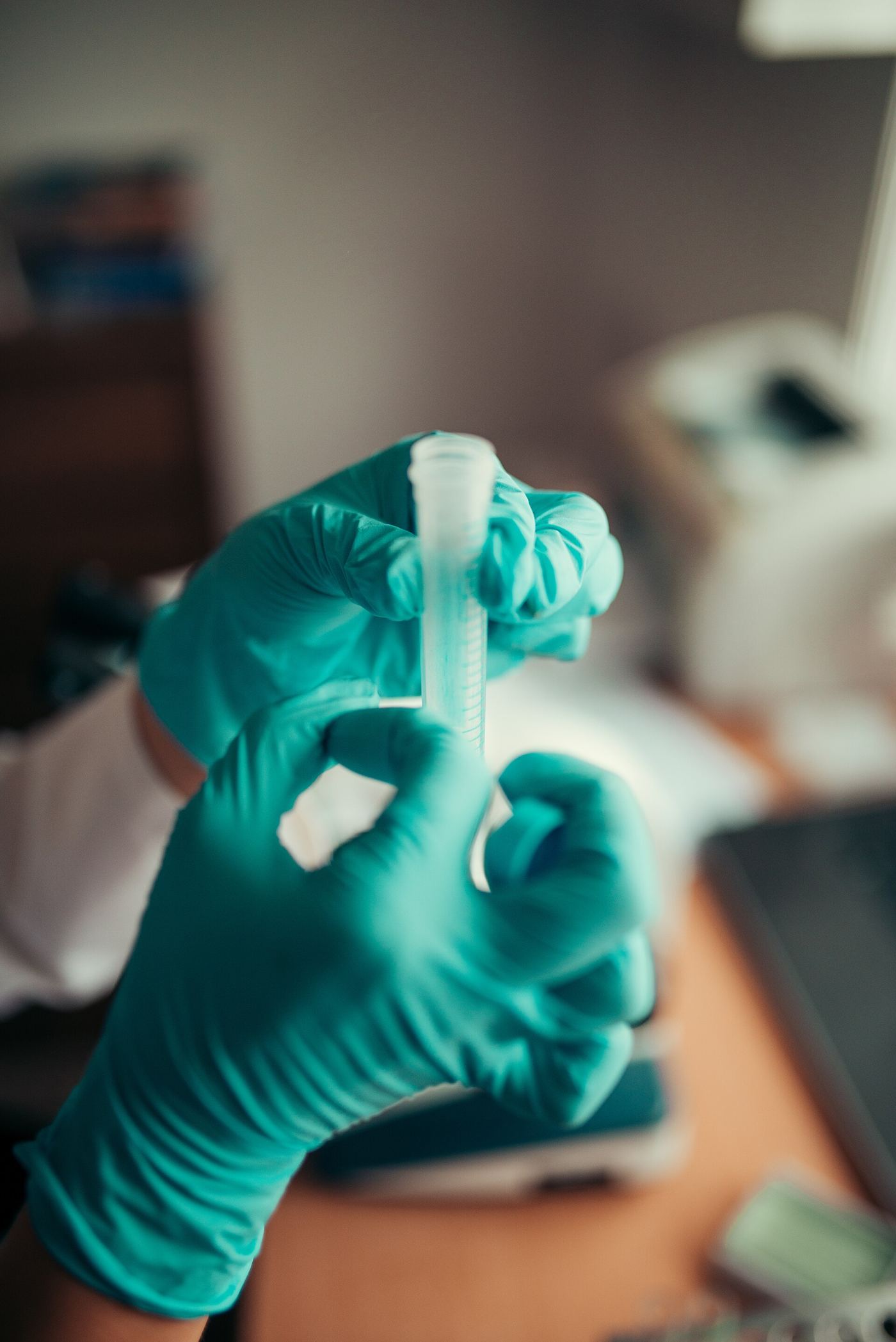
OpenAI has demonstrated that its general-purpose GPT-6 models can design new proteins using reasoning and code, without relying on a specialised biology model. In laboratory experiments reported on November 25, 2026, the model designed 322 tiny molecules called mini-binders aimed at five disease targets, and about 11 percent of them bound successfully to their targets. The result is being described as a first for a general-purpose artificial intelligence system, because protein design has usually required software built specifically for biology. The work suggests that the same reasoning skills that help a model write code or solve maths problems can also be turned towards the shapes and sequences of proteins. The binding was confirmed in laboratory tests.
What the Evidence Shows
Protein design matters because most medicines work by binding to a specific protein in the body, and finding a molecule that fits is slow, expensive work. If an AI model can propose working binders from a written request, researchers could test more ideas faster and reach new treatments sooner. OpenAI says the model designed both the structure and the sequence of each protein, predicting how the finished molecule would fold. The experiments covered five separate targets, which makes the result harder to dismiss as a one-off success. Independent replication will still be needed before drug makers can rely on the approach, and safety questions around AI-designed biology remain open. Even with those caveats, the result points to a new role for general-purpose models inside the laboratory. Reporting and analysis from sources such as Wired track the same developments, and specialists following GPT-6’s protein design experiments say the direction is now consistent across independent lines of evidence.
The Wider Context
The wider context is an industry learning to ship capability and restraint together. Products built around GPT-6’s protein design experiments now launch with safety evaluations, usage data and rollback plans as standard, because enterprise buyers and regulators ask for them in the first meeting. Companies that treated those questions as friction are discovering they have become the purchase criteria.
What Happens Next
What happens next for GPT-6’s protein design experiments depends less on another breakthrough than on the unglamorous work of reliability, pricing and support. The buyers evaluating it now are not enthusiasts; they are operators with budgets and auditors, and their checklists will decide the timeline. On the evidence of the current pilots, the technology has earned the right to be judged by them. You can follow related developments in our coverage of technology.
None of this will be settled by a single announcement, study or product launch. The pattern to watch is accumulation: independent confirmations, honest reporting of failures and steady improvement in the underlying numbers. Readers who follow those signals, rather than the loudest claim of the week, will understand this subject better than most of the commentary surrounding it suggests is possible.
