


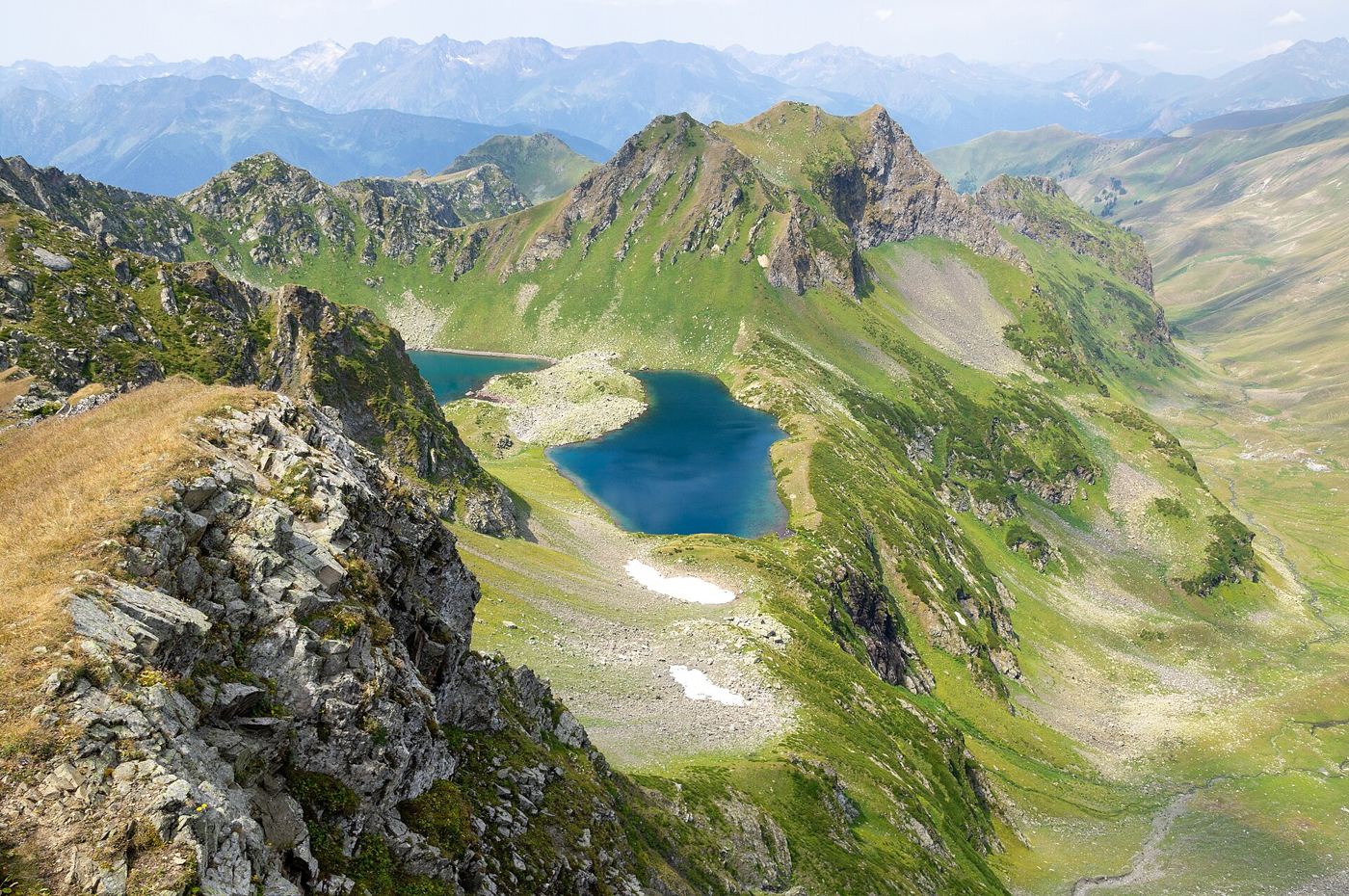
High mountain lakes formed by melting glaciers are being watched more closely than ever, as scientists improve monitoring for sudden outburst floods that can surge down valleys with little warning. Teams are installing water level gauges, cameras and satellite linked alarms at remote lakes once visited only a few times each year. The continuous data reveals how quickly levels rise after heavy rain or fresh melt. For villages downstream, earlier and more reliable warnings could provide the extra time needed to move people, vehicles and livestock safely.
What the Evidence Shows
Researchers combine sensor readings with satellite images that track lake growth across whole seasons, building a clearer picture of which lakes need urgent attention. Local observers are trained to check equipment and report ice movement or new cracks in natural dams. Modelling then estimates where floodwater would travel and which bridges or roads face the greatest risk. Scientists emphasise that monitoring is only one part of protection, alongside land use decisions and evacuation routes that residents know well. Reporting and analysis from sources such as Nature track the same developments, and specialists following monitoring glacier lakes prevents surprises say the direction is now consistent across independent lines of evidence.
The Wider Context
The wider context is a research landscape in which replication and open data now decide reputations. Findings connected to monitoring glacier lakes prevents surprises are being checked by independent groups with shared datasets, and the teams involved publish their methods in full so rivals can test every step. That discipline is slower than a headline cycle, but it is why results in this area increasingly survive first contact with scrutiny.
What Happens Next
What happens next in the story of monitoring glacier lakes prevents surprises will be decided by follow-up work already under way: larger samples, longer observation and instruments that have not yet come online. The researchers involved are unusually united on one point, that the current results justify the next investment of time and money. Readers will not have to wait long for the first tests of that claim. You can follow related developments in our coverage of science.
None of this will be settled by a single announcement, study or product launch. The pattern to watch is accumulation: independent confirmations, honest reporting of failures and steady improvement in the underlying numbers. Readers who follow those signals, rather than the loudest claim of the week, will understand this subject better than most of the commentary surrounding it suggests is possible.
There is a practical lesson in all of this for readers deciding what to do today. Start with the verified facts, be wary of anyone promising certainty, and prefer reversible steps while the evidence is still developing. Circumstances differ by country, income and personal situation, so general guidance should always be weighed against your own context before you act on it in any significant or lasting way.
