


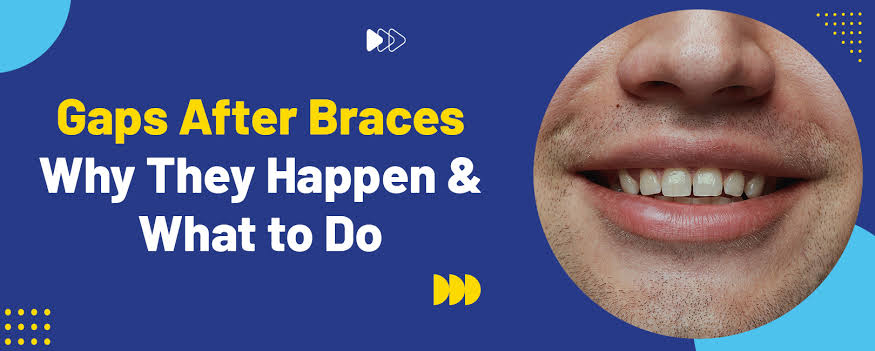
Finishing orthodontic treatment is a milestone worth celebrating. Straight teeth, an improved bite, and a smile you have worked hard for can make the end of braces or aligner treatment feel rewarding. So, it can be unsettling to notice a small gap forming between your teeth months or even years later.
Is it normal? Should you be worried? Teeth can continue to shift throughout life, including after orthodontic treatment, and small changes in alignment can sometimes occur. While minor movement may happen, new or widening gaps can also be a sign that your orthodontic results, retainer, bite, or gum health should be professionally assessed.
Understanding why this happens, and when it is worth seeing a dentist in Ultimo, can help you take appropriate steps to maintain the results of your orthodontic treatment.
Why Gaps Can Reappear
There are several reasons gaps can show up after orthodontic treatment. Teeth are supported by bone, gums, and periodontal tissues, and their position can continue to change over time.
Natural tooth movement is one factor. Teeth may shift gradually throughout life due to changes within the mouth and the forces placed on them during normal function. Teeth that have been moved through orthodontic treatment also have a tendency to shift away from their corrected positions if adequate retention is not maintained.
Not wearing retainers as directed is another important cause of orthodontic relapse. Orthodontic treatment moves teeth into new positions, while retainers are used after active treatment to help maintain those results. Skipping retainer wear, losing a retainer, or gradually wearing it less frequently than recommended can allow unwanted tooth movement to occur.
Changes in gum health can also play a role. Periodontal disease can damage the gums and supporting structures around the teeth. In more advanced cases, loss of supporting bone and tissue may make teeth feel loose or allow their position to change.
Changes in the bite may also contribute to movement in some cases. Tooth wear, grinding or clenching, missing teeth, or other changes within the mouth can alter the forces placed on individual teeth. For this reason, a newly developing gap is not always caused by the same issue that originally required orthodontic treatment.
When It May Be a Concern
A very small and stable gap may not necessarily indicate a serious problem. However, there are situations where new or widening gaps are worth having professionally assessed rather than simply monitoring them at home:
- The gap is becoming noticeably larger over time.
- Multiple gaps are beginning to appear.
- One or more teeth feel loose.
- Your bite feels different when chewing.
- Gum recession, bleeding, swelling, or soreness accompanies the spacing.
- Your retainer no longer fits as it previously did.
- You have stopped wearing your retainer and have noticed your teeth shifting.
These signs do not automatically mean that extensive orthodontic treatment will be required. However, determining why the teeth are moving can help prevent further changes and identify any underlying dental or periodontal concerns.
Why Retainers Matter
It is easy to underestimate how important retainers are once active orthodontic treatment is finished. In reality, retainer wear is an ongoing part of maintaining orthodontic results.
Consistent retainer use helps maintain teeth in their corrected positions after braces or aligner treatment. The appropriate type of retainer and wear schedule can vary depending on the individual, treatment completed, and advice provided by the treating dental professional or orthodontist.
Long-term retention is often recommended because teeth can continue to change position over time. Rather than thinking of retainers as something that is only needed for a few months after treatment, it is useful to view them as part of maintaining your orthodontic result.
If your retainer no longer fits, feels unusually tight or loose, becomes damaged, or has been misplaced, avoid forcing it into position. Having it assessed promptly can determine whether a replacement or another approach is needed.
Professional Assessment
If you have noticed gaps forming, a dental assessment can help determine what is causing the change. A dentist may assess several factors that are not always obvious when looking at your teeth in the mirror, including:
- Whether the gap is caused by tooth movement or changes in the gums
- The health of the gums and supporting tissues
- Whether changes in your bite may be contributing
- The condition and fit of your current retainer
- Whether further orthodontic assessment may be appropriate
- Whether early management could help limit additional movement
Depending on the findings, management may involve monitoring the area, addressing gum health, replacing or adjusting a retainer, or referring you for further orthodontic assessment where appropriate.
A dental professional can also help determine whether the spacing is primarily an orthodontic issue or whether another dental condition may be contributing to the change.
Conclusion
Gaps appearing after orthodontic treatment can result from several factors, including natural tooth movement, inconsistent retainer wear, changes in gum health, bite changes, or orthodontic relapse. While a small and stable space may not always indicate a serious issue, new or widening gaps should not simply be ignored, particularly if they are accompanied by bleeding gums, gum recession, loose teeth, changes in your bite, or a retainer that no longer fits properly.
The most important step is having the change assessed early. A dental professional can identify the underlying cause and determine whether monitoring, retainer management, periodontal care, or further orthodontic treatment may be appropriate. If you have noticed changes in your smile after treatment, arranging a check-up with a Dentist Ultimo can help assess the stability of your orthodontic results and identify any issues that may require attention.
Frequently Asked Questions
1. Is it normal for teeth to shift slightly after braces or aligners?
Some tooth movement can occur after orthodontic treatment and throughout life. Retainers are used to help maintain the corrected positions of the teeth and reduce unwanted orthodontic relapse.
2. How long after treatment can gaps still appear?
Changes in tooth position can occur months or years after orthodontic treatment, particularly if retainer wear has stopped or become inconsistent. Changes in gum health or other factors within the mouth may also contribute to spacing later in life.
3. Can I close a small gap myself without seeing a dentist?
It is not advisable to attempt to move teeth yourself using elastic bands or other home methods. Moving teeth requires controlled forces and professional assessment to reduce the risk of damaging the teeth, gums, roots, or bite.
4. Will I need to wear a retainer forever?
Long-term retainer wear is commonly recommended to help maintain orthodontic results. The type of retainer and how frequently it should be worn will depend on your individual circumstances and the advice of your dentist or orthodontist.
5. Could gum disease be causing my gap rather than orthodontic relapse?
It is possible. Advanced gum disease can affect the tissues and bone that support the teeth, potentially contributing to looseness or changes in tooth position. Bleeding gums, recession, swelling, or loose teeth should be assessed by a dental professional.
6. What happens during an assessment for gaps after orthodontic treatment?
A dentist will usually examine the position of your teeth, your bite, gum health, and the condition or fit of your retainer. Dental imaging, photographs, scans, or referral for an orthodontic assessment may also be recommended depending on the findings.
