


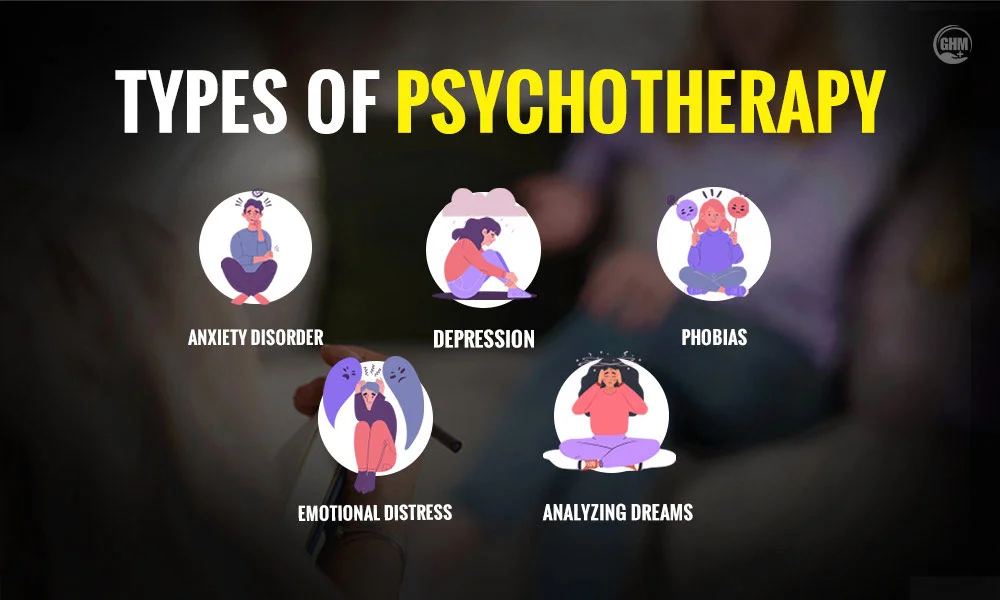
Mental health is an essential aspect of our overall well-being, yet it is often neglected or misunderstood. Disorders like anxiety, depression, and others can have profound impacts on our lives, making it harder to function in everyday situations. Fortunately, therapy can offer support and help individuals manage or overcome these challenges. Talk therapy, in particular, is a widely recognized and effective approach. In this article, we will explore the different types of therapy and how they can help people address mental health issues.
What is Talk Therapy?
Talk therapy, also known as psychotherapy, is a treatment method where individuals work with a trained therapist to address emotional, psychological, and behavioral issues. It involves conversations between the therapist and the patient, aiming to uncover underlying issues, improve coping strategies, and promote mental healing.
Therapy helps people gain insight into their feelings and behaviors, understand the root causes of their challenges, and develop healthier ways of thinking and coping. It can be helpful for individuals experiencing a variety of mental health disorders, including anxiety, depression, trauma, and relationship issues.Therapy Now is a resource where you can learn more about how talk therapy can improve your mental health.
Types of Talk Therapy
There are several different types of talk therapy, each with unique techniques and goals. Here are some of the most common approaches used in mental health treatment.
1. Cognitive Behavioral Therapy (CBT)
Cognitive Behavioral Therapy (CBT) is one of the most widely used and researched forms of therapy. It focuses on identifying and changing negative thought patterns and behaviors that contribute to mental health issues like anxiety and depression. The primary goal of CBT is to help individuals recognize how their thoughts, feelings, and actions are interconnected, and to replace unhelpful thoughts with more realistic, positive ones.
Benefits of CBT include:
- Reducing symptoms of anxiety and depression.
- Developing problem-solving skills.
- Learning healthier coping mechanisms.
- Enhancing self-awareness and self-control.
CBT is typically a short-term therapy, often involving 12-20 sessions, making it an effective option for those seeking quick results.
2. Dialectical Behavior Therapy (DBT)
Dialectical Behavior Therapy (DBT) is a form of CBT that focuses on teaching individuals how to regulate their emotions, handle stress, and improve relationships. DBT was initially developed for people with borderline personality disorder but has since been adapted for other conditions, including anxiety, depression, and eating disorders.
The therapy combines traditional CBT techniques with mindfulness practices to help individuals become more aware of their emotions and learn how to manage them more effectively. DBT is especially useful for people who experience intense emotions and have difficulty managing those emotions in a healthy way.
Key features of DBT include:
- Mindfulness techniques to improve emotional awareness.
- Skills training in interpersonal effectiveness and distress tolerance.
- Focus on accepting and validating feelings while making positive changes.
3. Psychodynamic Therapy
Psychodynamic therapy is rooted in psychoanalysis and emphasizes the unconscious mind’s influence on behavior. This approach explores past experiences, particularly those in childhood, and their impact on current thoughts, feelings, and actions. The goal of psychodynamic therapy is to help individuals gain insight into their unconscious processes and unresolved issues, which may be affecting their mental health.
Unlike CBT, which is more focused on the present and future, psychodynamic therapy delves into a person’s past to understand how it shapes their present behavior. This type of therapy typically involves long-term treatment and can be particularly beneficial for individuals with deep-rooted emotional difficulties.
Benefits of psychodynamic therapy include:
- Gaining insight into unconscious thoughts and feelings.
- Understanding the impact of past experiences on current behavior.
- Developing healthier relationships and self-awareness.
4. Interpersonal Therapy (IPT)
Interpersonal Therapy (IPT) is a time-limited therapy that focuses on improving interpersonal relationships and social functioning. It is based on the idea that difficulties in relationships, whether with family, friends, or colleagues, can contribute to or exacerbate mental health disorders like depression and anxiety. IPT helps individuals develop better communication skills, resolve interpersonal conflicts, and strengthen their social support networks.
IPT is often used to treat depression, anxiety disorders, and other mood-related issues. The therapy typically lasts around 12-16 weeks, and it is often delivered in a structured format.
Benefits of IPT include:
- Improving communication and problem-solving skills.
- Strengthening interpersonal relationships.
- Reducing feelings of isolation and loneliness.
- Managing symptoms of depression and anxiety.
5. Acceptance and Commitment Therapy (ACT)
Acceptance and Commitment Therapy (ACT) is a form of psychotherapy that encourages individuals to accept their thoughts and feelings rather than trying to change them. ACT focuses on mindfulness and helps individuals commit to behaviors that align with their values, despite the presence of difficult emotions. The therapy is particularly effective for people who struggle with anxiety, depression, and stress.
ACT combines aspects of mindfulness, cognitive therapy, and behavioral therapy to help individuals build psychological flexibility. This means being able to adapt to changing circumstances and act in ways that are consistent with personal values, rather than being overwhelmed by negative thoughts or emotions.
Key benefits of ACT include:
- Promoting acceptance of difficult emotions.
- Increasing mindfulness and psychological flexibility.
- Helping individuals live more authentically and in alignment with their values.
How Therapy Can Help People Overcome Mental Health Disorders
Therapy is an essential tool in managing and overcoming mental health disorders like anxiety, depression, and trauma. By addressing the root causes of these issues and equipping individuals with healthier coping strategies, therapy helps improve emotional well-being and quality of life.
How Therapy Helps with Anxiety
Anxiety is a common mental health condition that can manifest in various ways, including excessive worry, panic attacks, and physical symptoms like a racing heart. Therapy helps individuals with anxiety by teaching relaxation techniques, challenging irrational thoughts, and providing tools to manage stressful situations.
Through talk therapy, individuals can learn to reframe negative thinking patterns, reduce their anxiety triggers, and build resilience in the face of stress. CBT and ACT are particularly effective in treating anxiety, as they focus on changing thought patterns and accepting uncomfortable emotions.
How Therapy Helps with Depression
Depression is another widespread mental health disorder that affects millions of people worldwide. Symptoms of depression include persistent sadness, loss of interest in daily activities, fatigue, and difficulty concentrating. Therapy for depression focuses on changing negative thought patterns, building coping skills, and addressing underlying issues like unresolved trauma.
Therapies like CBT and IPT can help individuals identify negative thought cycles and replace them with more positive, realistic perspectives. In addition, therapy helps individuals reconnect with social support networks and improve their relationships, which can be crucial for recovery.
Therapy for Trauma and PTSD
Therapy is also essential for individuals dealing with trauma and post-traumatic stress disorder (PTSD). Trauma-focused therapies like EMDR (Eye Movement Desensitization and Reprocessing) and trauma-focused CBT help individuals process traumatic memories and reduce the impact of distressing emotions. These therapies aim to help individuals reclaim control over their lives and reduce the emotional intensity associated with traumatic memories.For more information about how therapy can help with mental health challenges, visit Therapy Now.
Conclusion
In conclusion, therapy is a powerful tool for addressing and overcoming mental health disorders like anxiety, depression, and trauma. Different types of talk therapy, such as CBT, DBT, and IPT, offer various approaches and techniques to help individuals manage their emotions, improve relationships, and develop healthier coping strategies. Whether you are dealing with everyday stress or struggling with a more complex mental health condition, therapy can provide valuable support and guidance on your journey toward emotional well-being.
If you or someone you know is experiencing mental health challenges, seeking therapy can be an essential step toward healing. Therapy Now is a valuable resource to explore different therapy options and find the support you need.
FAQs
What is talk therapy?
Talk therapy is a treatment method where individuals work with a therapist to discuss their emotions, thoughts, and behaviors. It aims to improve mental health and develop coping strategies.
How does cognitive behavioral therapy help?
CBT helps individuals recognize and change negative thought patterns and behaviors, leading to better coping mechanisms for managing anxiety, depression, and other mental health issues.
Is therapy effective for anxiety?
Yes, therapy, especially CBT and ACT, can be highly effective in helping individuals manage and reduce symptoms of anxiety by teaching relaxation techniques and altering negative thought patterns.
How long does therapy last?
The duration of therapy depends on the type and individual needs. Some therapies, like CBT, may last 12-20 sessions, while others may be longer.
Can therapy help with depression?
Yes, therapies like CBT and IPT can help individuals with depression by identifying negative thoughts, improving social relationships, and developing healthier coping strategies.