


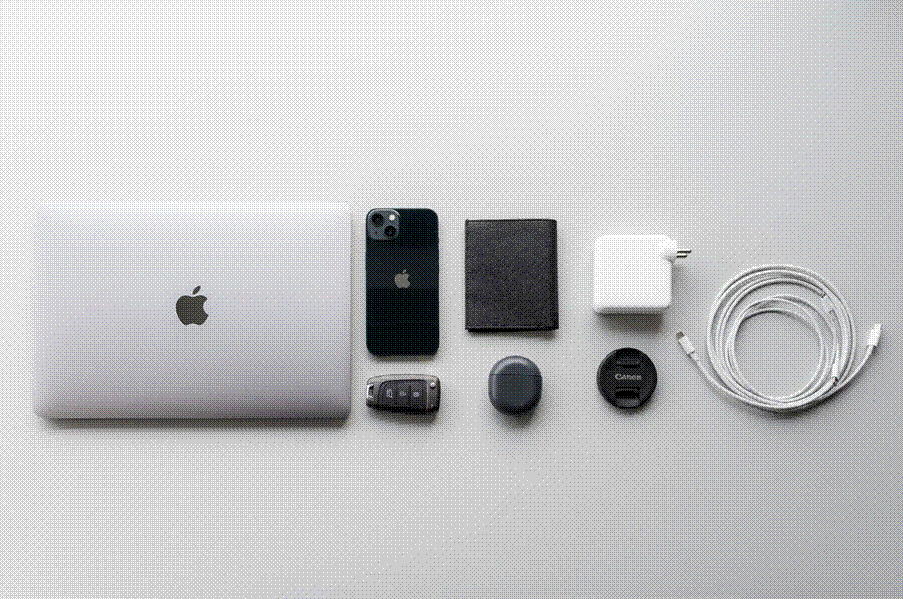
Gadgets arrive in waves. New phones, earbuds and laptops promise sharper screens and smarter cameras while older devices quietly move into drawers. After a few upgrade cycles, many homes look less like calm living spaces and more like small e-waste warehouses. The idea of sustainable consumption appears exactly at this point, when excitement about novelty meets a growing discomfort with piles of forgotten plastic and metal.
In this upgrade culture, each launch can feel like a small game of chance. Some people follow tech news with the same level of anticipation as others follow casino streams and decide to play lightning roulette with every new release, hoping this model will finally fix all everyday problems. Sustainable thinking offers a slower alternative – a method for choosing gadgets that actually work longer instead of becoming expensive clutter.
Why long lasting gadgets matter more than ever
Electronic waste does not disappear after leaving a desk. Broken screens and swollen batteries eventually travel to landfills or poorly regulated recycling facilities. Inside each device lie rare metals, complex chemicals and hard to separate composites. Extraction and transport consume energy long before the first app is installed.
For that reason, every extra year of use makes a real difference. A phone kept for five or six years instead of two does not just save money. This longer life spreads the environmental cost of production across more time. Similar logic applies to laptops, tablets and wearables. The longer a piece of hardware stays functional, the fewer resources are needed to replace it.
Sustainable consumption is therefore not about rejecting technology. It is about being picky in a different way. Instead of chasing only the newest feature, the priority becomes durability, repairability and realistic everyday comfort.
How to recognise gadgets that are built to last
Some devices quietly signal that they are ready for years of work. Others reveal, even on the shelf, that a short life is likely. A bit of attention before purchase can prevent a lot of frustration later.
Practical signs of a durable device
- solid physical design with a firm frame, minimal creaking and buttons that do not feel wobbly at first touch
- clear promise of long term software support, including security patches and new versions of the operating system
- visible screws or modular parts in official photos and manuals instead of fully sealed, glue heavy construction
- use of common standards such as USB-C, standard memory cards and replaceable cables rather than rare, proprietary connectors
- honest communication from the brand about repair options, battery replacement and official spare parts
Checking these points takes a little time, but turns shopping into a more grounded process. Instead of being hypnotised by promo videos, a buyer gains a sense of how the device will behave after three winters and a few accidental drops.
The role of repairability and right to repair
Even the toughest gadget will need help one day. A cracked display, loose port or tired battery can appear in any household. The crucial question is whether that damage means the end of the device or just a manageable repair.
Right to repair initiatives argue that owners should be able to fix their tech without heroic effort. This does not always mean opening the case at home. It can also mean access to reasonably priced official parts, clear documentation and independent service centres that do not void warranties. Brands that support these ideas effectively extend the life of their products by several cycles.
From a sustainable point of view, a device that costs a little more but can be repaired twice is often a better choice than a cheaper model that must be fully replaced after the first serious issue. Over a decade, the second option creates more waste, more shipping emissions and more hidden stress.
Everyday habits that keep gadgets alive
Longer lifespans do not depend only on manufacturing and policy. Daily behaviour in kitchens, offices and backpacks plays a quiet but decisive role. Small habits protect batteries, screens and internal components over thousands of hours.
Simple routines that extend device lifetimes
- storing gadgets away from extreme heat and direct sunlight, especially during charging or heavy use
- keeping liquids, steam and food away from keyboards and ports, even when multitasking feels tempting
- cleaning vents and fans in laptops and consoles with soft tools to prevent overheating and sudden shutdowns
- updating software regularly to receive security fixes and performance improvements that keep older gear usable
- giving old devices a second life as backup players, home cameras or kids’ learning tools instead of leaving them in drawers
None of these actions require special expertise. Most fit easily into existing routines, like wiping a screen after work or scheduling updates for the evening. Over time, these gestures turn into a quiet form of maintenance that delays the moment when new hardware is truly necessary.
Thinking in lifecycles instead of product seasons
Sustainable gadget ownership becomes easier when each device is seen as a long term guest rather than a short term entertainment object. Before buying, it helps to imagine both the first months and the final goodbye. Is there an official recycling or trade in programme. Will local e-waste collections accept this type of product? Could a friend or relative use it later?
By asking such questions, the focus shifts from pure desire toward responsibility. That shift does not cancel the joy of new tech, but it adds a layer of awareness. When selection is based on durability, repair options and realistic needs, gadgets stay in service longer, budgets breathe more easily and the invisible mountains of electronic waste grow a little slower.
